Ever wonder what it actually feels like to wake up to masts in the morning light and the soft churn of tenders crossing Sag Harbor? If you’re picturing coffee on a porch overlooking protected waters and a day that naturally bends around the tides, you’re close. This guide gives you a true-to-life look at the harbor lifestyle, the types of homes you’ll find near the water, and the practical details that matter before you buy. Let’s dive in.
Waterfront lifestyle, day to day
Boating and marina routines
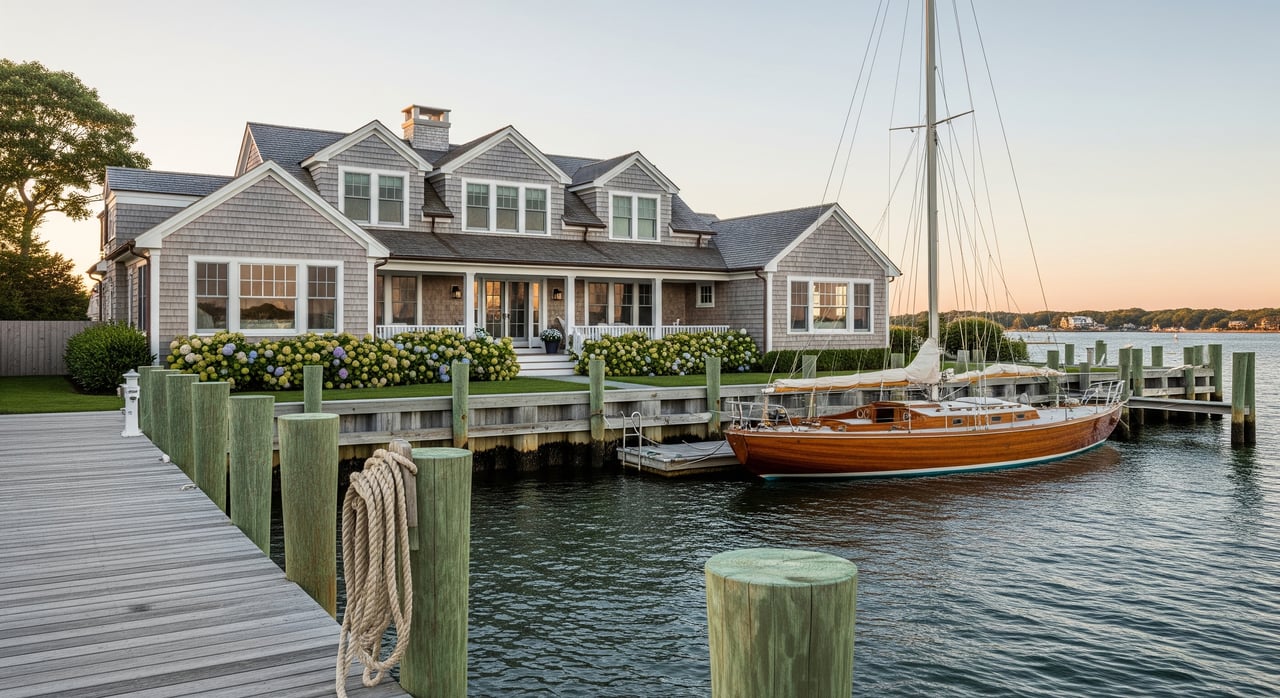
Sag Harbor’s harbor is protected, which is why boating is part of everyday life here. Many residents keep boats on moorings or at local marinas. A typical day might start with a quick tide check, a look at lines and batteries, and a short run for fuel. On summer afternoons you’ll see sails easing out beyond the breakwater, anglers heading to favorite spots, and kayaks tracing the shoreline.
You don’t need to own a boat to join the scene. Sailing schools, yacht clubs, and charter options welcome seasonal and year-round residents. Expect social events clustered around marinas, casual dock chats, and the familiar blend of salt and diesel when you stroll the piers at dusk.
Dining and walkability by the harbor
Parts of the village center are highly walkable. Many residents combine errands, a shoreline stroll, and dinner in one loop. Restaurants and cafes cluster near the water, with outdoor seating in summer and menus that often lean into seafood and regional ingredients. It is a true dock-to-table rhythm in peak season.
Beyond boats: outdoor rhythms
Paddlesports are everywhere. You’ll see stand-up paddleboards stacked by porches, kayaks on car racks, and early-morning launches when the harbor is glassy. Shore fishing, birding, and simple harbor walks round out daily routines. From Memorial Day through Labor Day, activity peaks. In winter, the village quiets and routines feel more local and unhurried.
Arts, culture, and community
Maritime heritage runs deep, and you’ll feel it in street names, preserved buildings, and museum programming. The cultural calendar adds theater, galleries, small festivals, regattas, and farmers markets. Evenings often blend harbor views with arts events, which keeps the village lively beyond the docks.
Homes by the harbor
Property types you’ll find
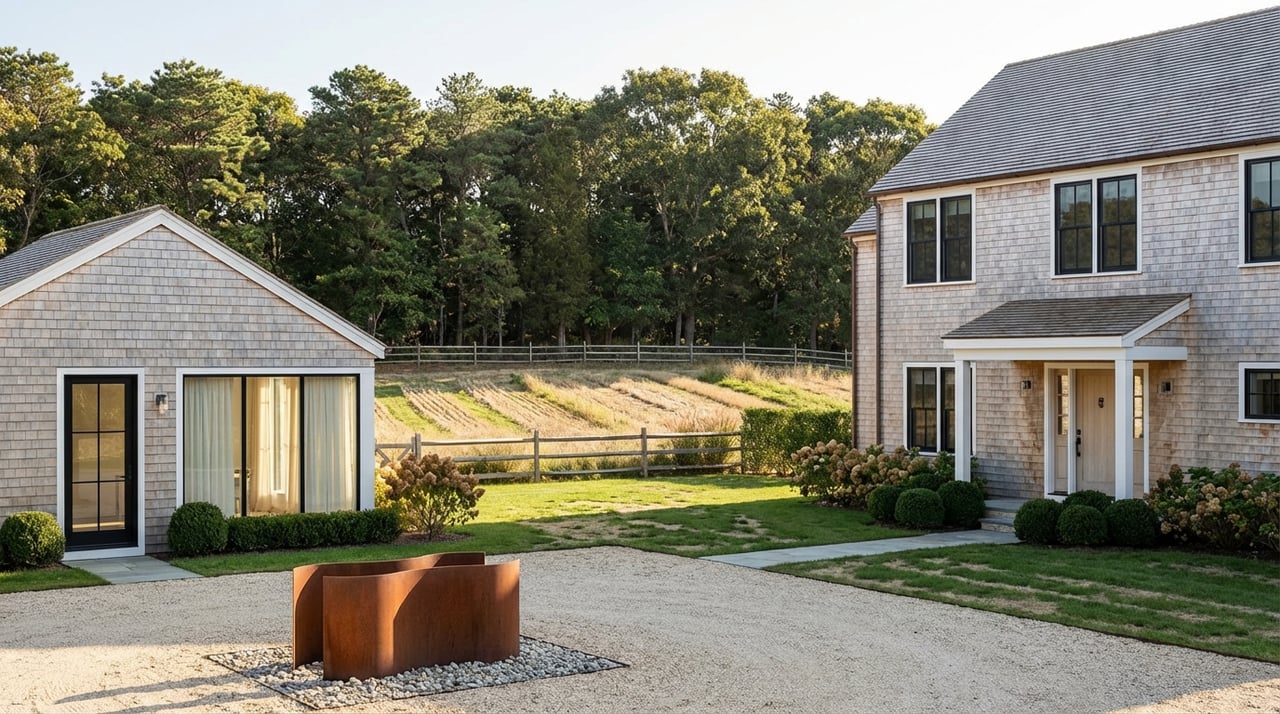
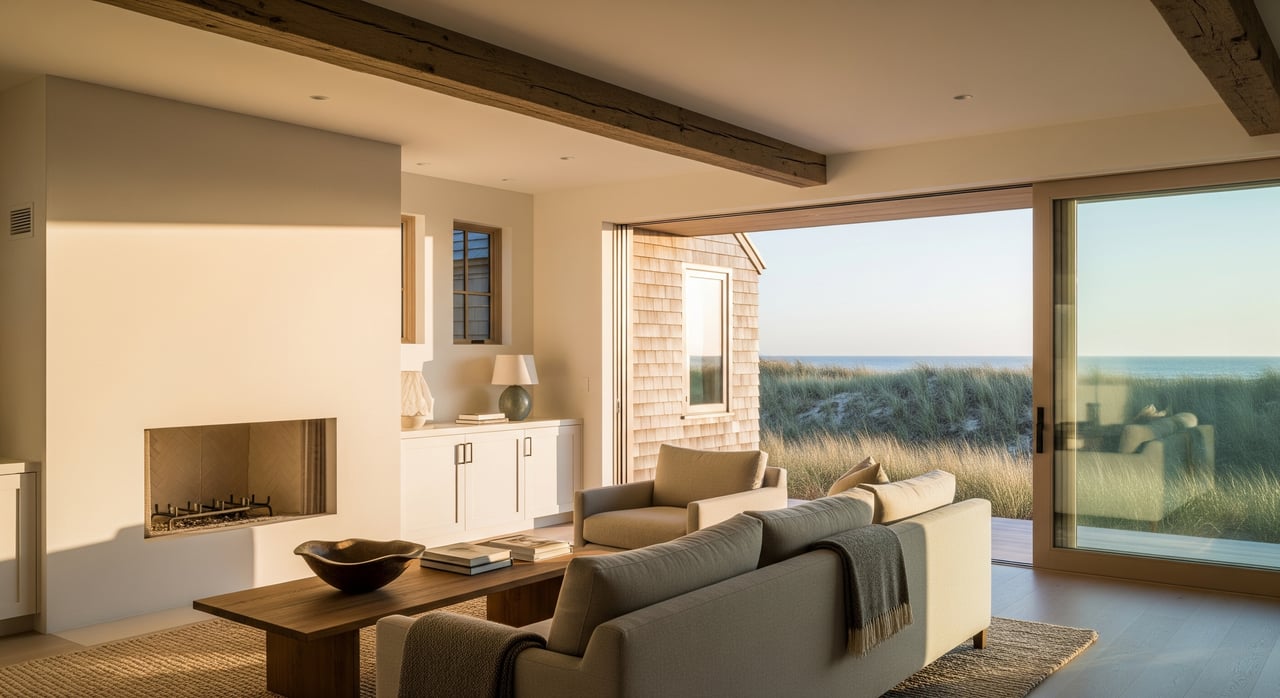
Close to the water, you’ll see a range of architecture. Historic in-town cottages sit near Greek Revival and Victorian homes, many updated with modern systems. On larger parcels, you’ll find contemporary renovations and waterfront estates that take advantage of views and private docks. Some parcels include accessory structures or boathouses, subject to design and zoning rules.
A meaningful share of homes are second residences or short-term rentals, which creates seasonal ebbs and flows in occupancy and services.
Water access and value drivers
Direct frontage, deep-water access, unobstructed views, and private dock or deeded mooring rights command premiums. Many waterfront lots have bulkheads or seawalls. These improvements can be valuable, but they also carry maintenance responsibilities and often require permits to repair or modify.
Historic and neighborhood controls
Portions of the village fall under historic preservation overlays and design review. If you plan to renovate or build, expect guidelines that protect neighborhood character, especially near the harbor. This can shape materials, massing, and exterior details.
Practical realities that matter
Flood zones and insurance
Many harbor-area properties fall within FEMA flood hazard zones. Before you bid, review current flood maps, request any available elevation certificates, and ask for historical flood and insurance claim information. Budget for flood insurance and, where applicable, hurricane or wind coverage. Elevation and site conditions can materially affect premiums.
Permits and coastal approvals
Shoreline work almost always requires permits. Docks, bulkheads, seawalls, fill, and dredging may involve village or town building departments, Suffolk County in some cases, and New York State environmental review. Private dredging to gain depth can be complex and expensive, and may require mitigation. Start early and assume multi-agency coordination.
Utilities and on-site systems
Not every property is on municipal water or sewer. Many homes rely on private septic systems, with maintenance and upgrade responsibilities on the owner. Confirm water source, septic system details, and any planned local infrastructure projects with the relevant health and utility authorities.
Budget for coastal upkeep
Waterfront ownership comes with specialized maintenance. Plan for dock and bulkhead inspections, corrosion and fastener checks, finish work affected by wind and humidity, and seasonal winterization. Build contingencies for shoreline stabilization and erosion control where relevant. These items can add up over time beyond normal household upkeep.
Access and commuting
Sag Harbor’s village core is pedestrian friendly, but there is no Long Island Rail Road station in the village. Nearby stations in surrounding towns serve New York City, yet travel requires planning and varies with seasonal traffic. Summer weekends are busier on the roads and in the harbor. Boaters also plan around tides and weather windows.
Legal and title checks by the water
Water rights are not one-size-fits-all. Riparian rights, shared docks, deeded moorings, and shoreline easements vary by parcel. Title review should include recorded dock rights, association rules if applicable, and any conservation or historic restrictions that affect what you can change outside.
Choosing your Sag Harbor fit
If you want the harbor lifestyle, pair the daydream with a clear checklist. A focused approach saves time and helps you compete for limited inventory.
- Define your boating plan: private dock, deeded rights, or marina slip.
- Confirm flood zone, elevation certificate, and insurance path.
- Map permits needed for any planned docks, bulkheads, or additions.
- Verify utilities: water source, septic system, and maintenance history.
- Check historic or design overlays that govern exterior changes.
- Build a coastal maintenance budget with quotes from local pros.
- Walk the neighborhood in both peak season and winter to gauge rhythm.
When you align these pieces with your lifestyle, you’ll know quickly whether an in-town historic home, a modern renovation, or a larger waterfront parcel suits you best.
Your next step
Waterfront Sag Harbor is a rare blend of walkable village life, rich maritime character, and serious boating. If you are considering a purchase, you deserve guidance that blends lifestyle insight with hands-on development and permitting know-how. For confidential, expert support tailored to your goals, connect with Nicole Tunick for a private Hamptons consultation.
FAQs
How does boating work for new owners in Sag Harbor?
- Verify whether the property includes deeded dock or mooring rights, then contact local marinas, yacht clubs, or the harbormaster for slip and mooring options.
What should I check about flood risk near the harbor?
- Review FEMA flood maps, request any elevation certificate, and ask for the property’s insurance and flood history before you make an offer.
Are renovations near Sag Harbor’s waterfront restricted?
- Many areas have historic and design review. Expect approvals for exterior changes and coordinate early with village or town planning offices.
What ongoing costs are unique to waterfront homes?
- Plan for flood and wind insurance, dock or bulkhead maintenance, corrosion and finish work from marine exposure, and seasonal winterization.
How seasonal is life in Sag Harbor?
- Summer is peak with boats, dining, and events. Winter is quieter, with a more local rhythm and fewer visitors.
How do utilities work for waterfront properties?
- Not all homes are on municipal water or sewer. Confirm water source, septic system type, and maintenance requirements before closing.
What should title review include for a waterfront parcel?
- Check riparian rights, recorded dock or mooring rights, shoreline easements, and any association or conservation restrictions that affect use or changes.