Torn between building your dream home from the ground up or transforming an existing property in Water Mill? You are not alone. The right path depends on what your lot allows, how quickly you want to enjoy the home, and how the numbers pencil out in a Hamptons market that rewards thoughtful design. In this guide, you will learn how approvals, timelines, carrying costs, and resale value differ for new builds versus renovations in Water Mill, and how to structure your decision so it is both beautiful and financially sound. Let’s dive in.
Start with constraints, not just style
Before you picture shingle colors or ceiling heights, confirm what your parcel will allow. In Water Mill, regulatory and site conditions are often decisive. A quick feasibility check can save months and six figures of avoidable cost.
Key local approvals to map early
- Town of Southampton Building Division: building and demolition permits, inspections, and Certificate of Occupancy.
- Town Planning Department and Planning Board: site plan review or special permits on larger or more complex projects.
- Zoning Board of Appeals: variances if your plan exceeds setback, height, lot coverage, or floor area limits.
- Suffolk County Department of Health Services: septic approvals and bedroom count limitations tied to wastewater capacity.
- New York State Department of Environmental Conservation: tidal or state wetland permits when applicable.
- FEMA flood zone rules and flood insurance requirements: elevation and foundation standards if your lot is in a mapped flood zone.
- Coastal policies and, where applicable, Coastal Erosion Hazard Area requirements.
- Utility coordination: electric service, water authority connections, private well considerations, and any road opening or driveway changes.
If your site is near wetlands, within a coastal zone, or in a historic context, anticipate added review and calendar time. Many Water Mill parcels fall under one or more of these layers.
Timeline: renovation vs. new build
If you are targeting a specific summer, timing matters as much as budget. Here is what to expect.
Typical ranges in Water Mill
- Cosmetic to moderate renovation: about 3 to 9 months from permit to completion for small and medium scopes.
- Whole-house or structural renovation with systems or septic: about 6 to 12 months, sometimes longer depending on scope.
- Major gut renovation with foundation or significant structural work: about 6 to 18 months.
- Custom new construction: commonly 18 to 36 months from concept to Certificate of Occupancy. Coastal or variance-heavy sites trend longer.
What slows projects down
- Environmental permits: wetlands or coastal approvals often add months and may require surveys, mitigation plans, or hearings.
- Septic approvals: testing, engineering, and sign-off by Suffolk County can shift foundation timing.
- ZBA or Planning Board calendars: hearings, neighbor notices, and revisions can extend timelines.
- Seasonal factors: winter weather, summer traffic, and inspection schedules affect sequencing and deliveries.
- Contractor availability: top Hamptons builders book out; lock in your general contractor and core trades early.
Carrying costs and how to budget
Projects do not just cost what you pay a contractor. Holding costs accrue while you design, permit, and build.
- Financing: construction loan interest and fees for a new build; renovation loans, refinance, or HELOCs for remodels. Lenders weigh the after-repair value.
- Taxes and insurance: property taxes continue during construction. Expect builder’s risk insurance and, near the coast, higher wind and flood premiums.
- Site operations: temporary utilities, security, fencing, erosion control, and sanitary facilities.
- Soft costs: architecture, engineering, surveying, permit fees, environmental and legal consultants.
- Contingency: set aside 10 to 20 percent of hard construction costs. Renovations carry more hidden-condition risk.
Renovations typically require less calendar time, which reduces interest and holding costs. New construction usually adds more soft cost and carrying cost, but can deliver a modern layout, energy performance, and long-term maintenance benefits.
Site realities in coastal Water Mill
Water Mill’s beauty comes with real constraints. Build outcomes depend on how you respond to the land and the rules that protect it.
- Flood zones: if your lot sits in a FEMA zone, plan for elevated foundations and flood-resistant materials below the design flood elevation.
- Wetlands and buffers: adjacency to tidal wetlands triggers state or local permits and drives setbacks, landscape choices, and stormwater plans.
- Septic capacity: bedroom count is tied to wastewater approvals. Adding bedrooms often requires a new or upgraded system.
- Access and staging: narrow roads and seasonal traffic impact heavy deliveries and crane access; plan staging early with your GC.
- Soils and topography: foundation design, drainage, and retaining strategies depend on soil conditions and grade.
A renovation that stays within the existing footprint may avoid some environmental triggers. Conversely, a larger new build could require more robust coastal and health department approvals.
Design and neighborhood context
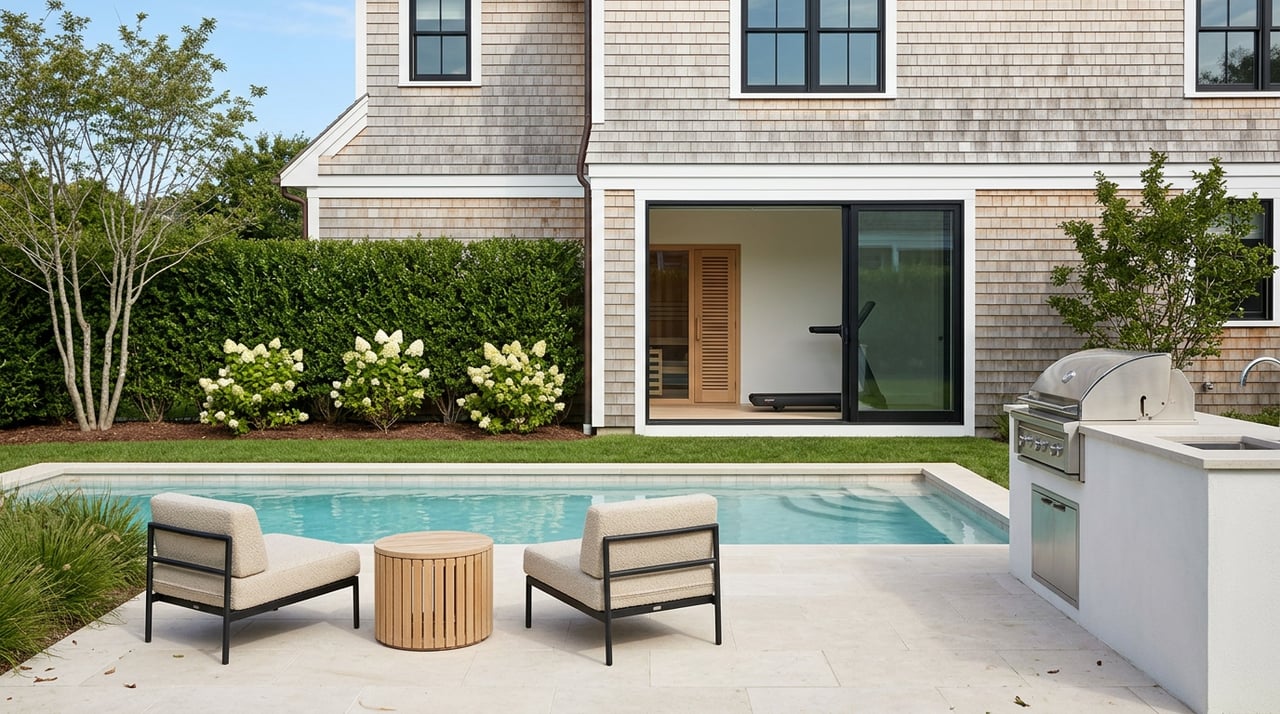
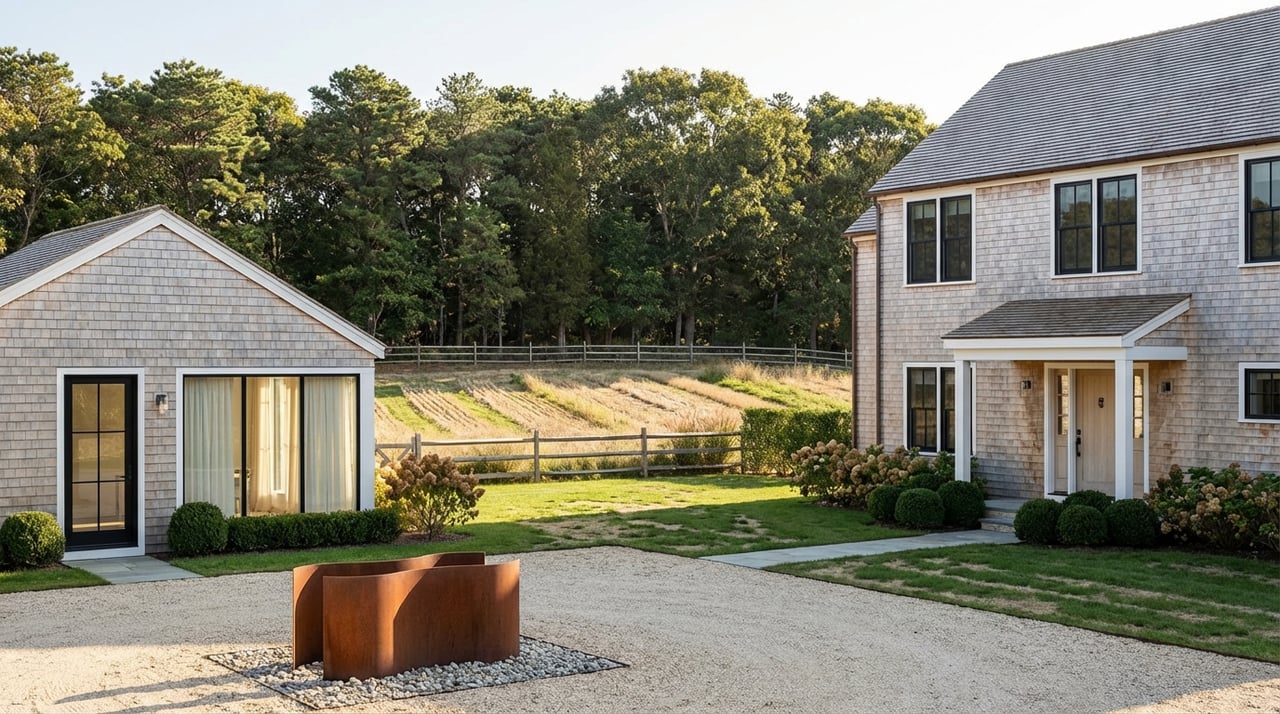
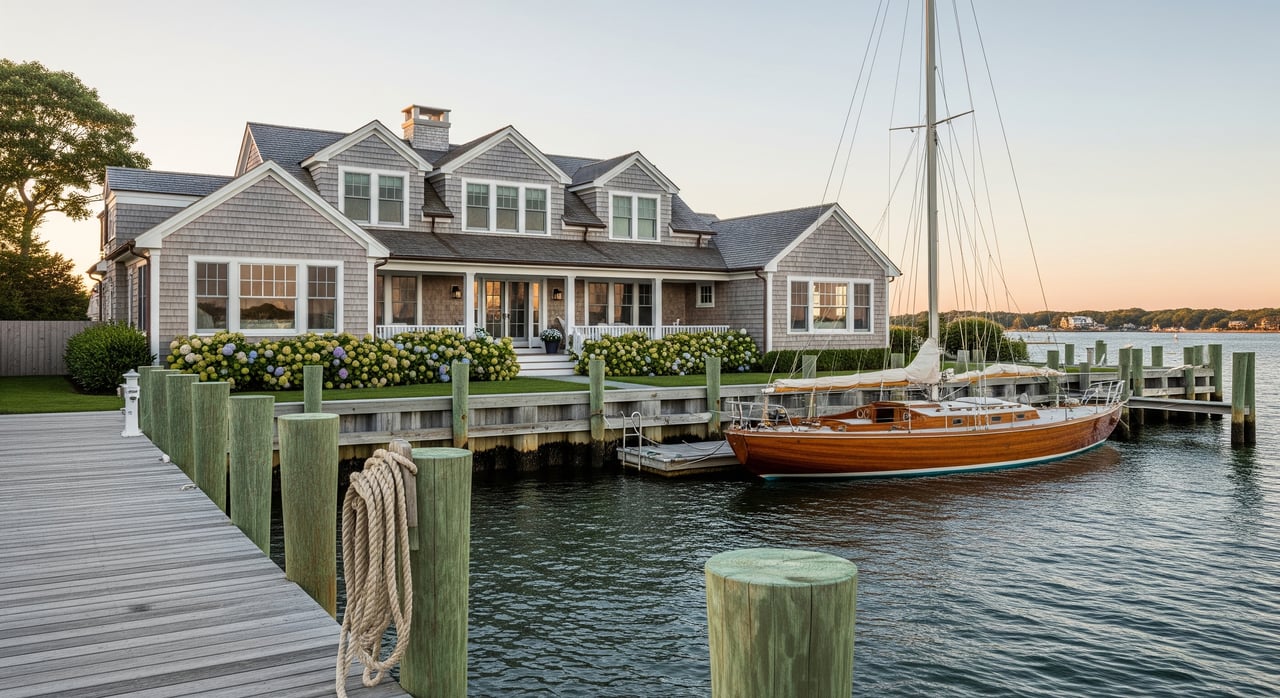
Water Mill’s architectural language leans classic Hamptons: cedar shingles, gabled roofs, generous porches, natural materials, and low-color palettes that sit softly in the landscape. Even contemporary homes often break massing into smaller volumes and use natural finishes to reduce visual impact.
- Respect scale and massing: right-size the home to the lot and surrounding streetscape to ease approvals and enhance resale appeal.
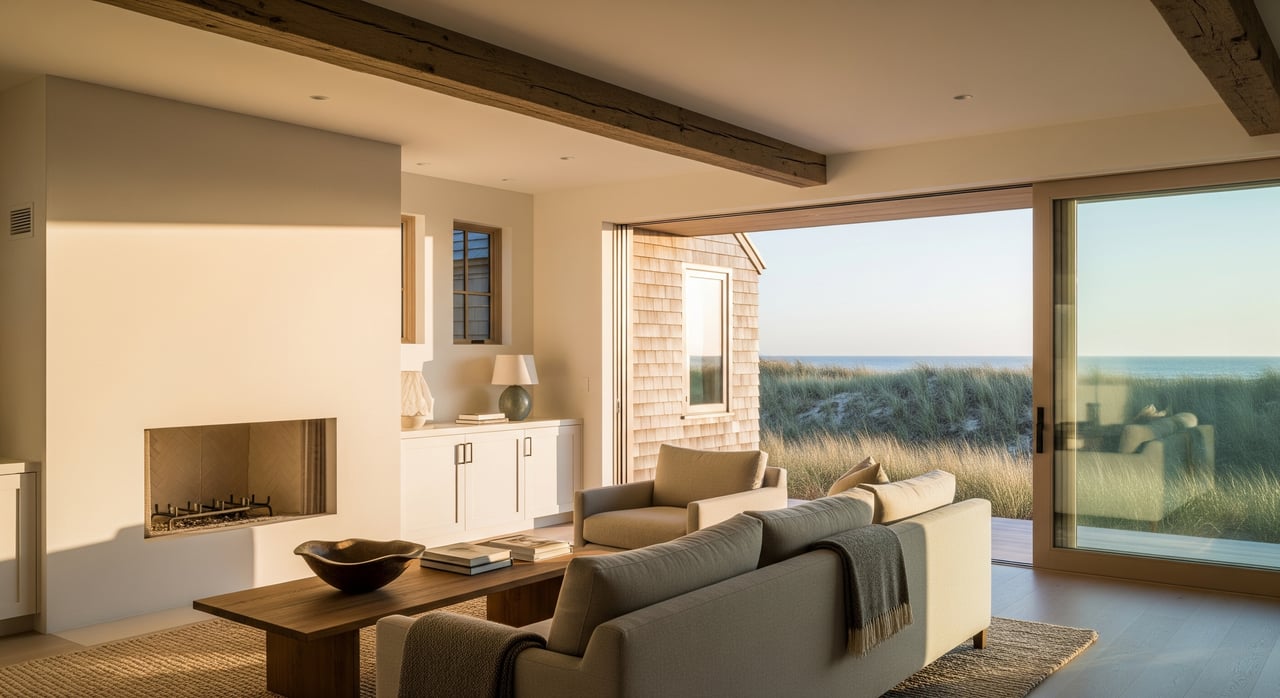
- Plan indoor-outdoor flow: covered porches, screened outdoor rooms, and landscape-driven privacy are high priorities.
- Build for resilience: corrosion-resistant fasteners, stormwater management, native plantings, and flood-conscious detailing are now standard in coastal zones.
A renovation can preserve historic charm while updating livability. A well-executed new build can deliver ceiling heights, glass, and layout flexibility that older structures cannot easily match.
ROI: where value is created or lost
Your return depends on capturing market expectations without overshooting neighborhood caps.
- Compare cost per square foot carefully: high-end new construction in the Hamptons commands premium build costs due to materials, codes, elevation, and logistics. Renovation costs vary widely by scope and systems.
- Watch bedroom and bath counts: septic approvals influence marketability and appraisal. Add capacity only if your septic and approvals support it.
- Do not overbuild: finishes or square footage far above local comps may not translate to proportional resale value.
- Location multipliers: water views, pond adjacency, privacy, and landscape maturity are powerful value drivers.
When renovation often wins: the existing structure is solid, the site limits expansion, and you want a shorter path to market. When new build may be smarter: the house is inefficient or compromised, the lot supports a larger or more modern program, and premium buyers in your micro-market expect contemporary systems and bespoke finishes.
A clear decision framework
Use this four-stage checklist to compare renovation and new build options on your specific parcel.
Stage 1: Rapid feasibility (1 to 4 weeks)
- Confirm zoning for setbacks, lot coverage, height, and permitted uses.
- Pull hyper-local comps for your intended size and finish level in Water Mill.
- Complete a quick septic review; if not on public sewer, engage a septic pro or the health department for capacity guidance.
- Identify flood zone status using FEMA maps and note base flood elevation.
- Check for historic overlays or adjacency to designated resources.
Stage 2: Site due diligence (2 to 8 weeks)
- Commission a boundary and topographic survey; add soils testing and wetlands delineation if needed.
- Sketch preliminary schemes with an architect experienced in Southampton.
- Request ballpark pricing from local builders for both renovation and new build scopes.
Stage 3: Regulatory and financial underwriting (1 to 6 months)
- Map the permit path, including any likely variances, wetlands, or coastal approvals. Estimate calendar time and hearing schedules.
- Lock preliminary financing terms: construction loan for ground-up, or renovation financing for remodel.
- Build a pro forma comparing total cost, holding time, and projected value based on comps.
Stage 4: Execution plan
- If renovating: tighten scope to control surprises and plan for hidden conditions.
- If building new: finalize a design that respects scale, coastal resilience, and neighborhood context. Start environmental and engineering approvals early.
Common pitfalls to avoid
- Ignoring septic limits before adding bedrooms or baths.
- Assuming a footprint expansion will be permitted near wetlands or dunes.
- Underestimating the time required for ZBA hearings and public notices.
- Over-designing beyond neighborhood value caps.
- Hiring a team without specific Southampton and Water Mill experience.
Renovation or new build: how to decide fast
Ask three questions and let the answers guide you.
- What does the site allow without variances or extended environmental review? If a renovation within the footprint satisfies your program, it could save months.
- Where is your best value capture based on comps? Model both scenarios with realistic per-square-foot costs and holding time.
- Which outcome best fits the Water Mill aesthetic and buyer pool for your micro-location? Align with neighborhood scale and coastal design expectations to protect resale.
A concierge partner for the Hamptons process
You deserve more than a yes-or-no answer. You deserve a roadmap. Our boutique team pairs market insight with project know-how so you can choose confidently. From parcel selection and fast feasibility to builder introductions, preliminary budgets, and listing strategy on the back end, we help you align design, permitting, and value.
If you are weighing a renovation against a ground-up build in Water Mill, let’s talk through your lot, your program, and your timeline. Connect with Nicole Tunick to Request a Private Hamptons Consultation.
FAQs
How do zoning rules in Water Mill affect my plan?
- Zoning controls setbacks, height, lot coverage, and use. If your concept exceeds those limits, you may need a variance through the Zoning Board of Appeals, which adds time and review.
Do I need health department approval to add bedrooms?
- Yes, bedroom count is tied to septic capacity. The Suffolk County Department of Health Services reviews upgrades or new systems to support added wastewater loads.
How long can coastal or wetlands permits add?
- It varies from a few weeks to several months depending on site complexity, required studies, and whether public notice or hearings are involved.
What are realistic timelines for a full renovation vs. new build?
- Major renovations typically run 6 to 18 months. Custom new homes commonly run 18 to 36 months from concept through final inspections, longer on complex coastal sites.
Which option usually has better short-term ROI in Water Mill?
- Renovations often deliver better short-term ROI when the structure is sound and the lot limits expansion. New builds can outperform when the lot supports larger scale and premium finishes that the market rewards.
What carrying costs should I plan for during the project?
- Budget for loan interest, taxes, builder’s risk and flood insurance, temporary utilities, site security, design and engineering fees, and a 10 to 20 percent contingency for construction.