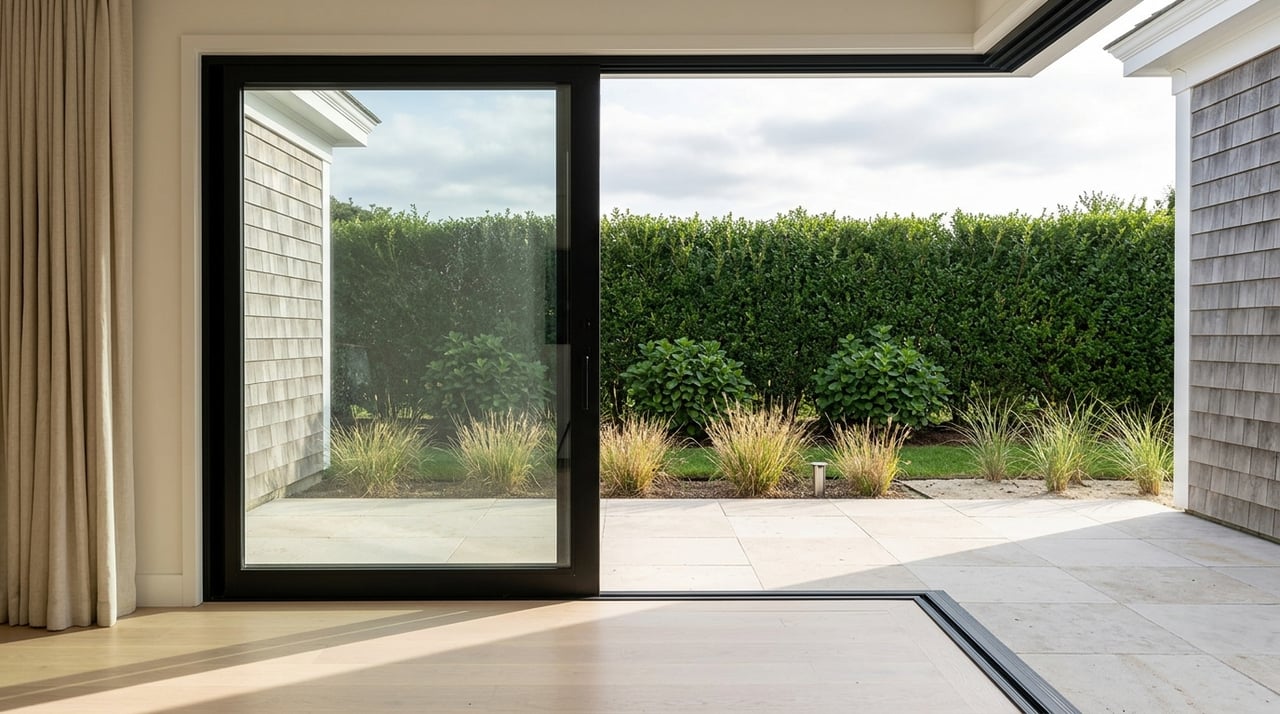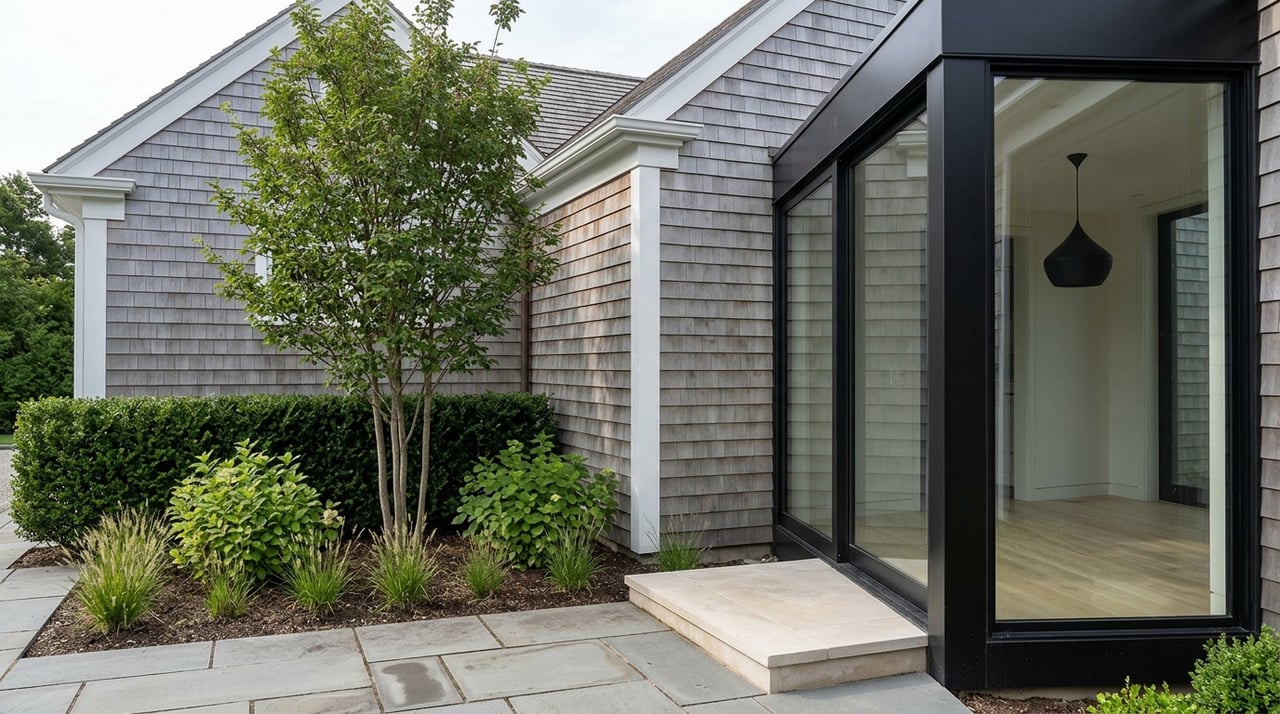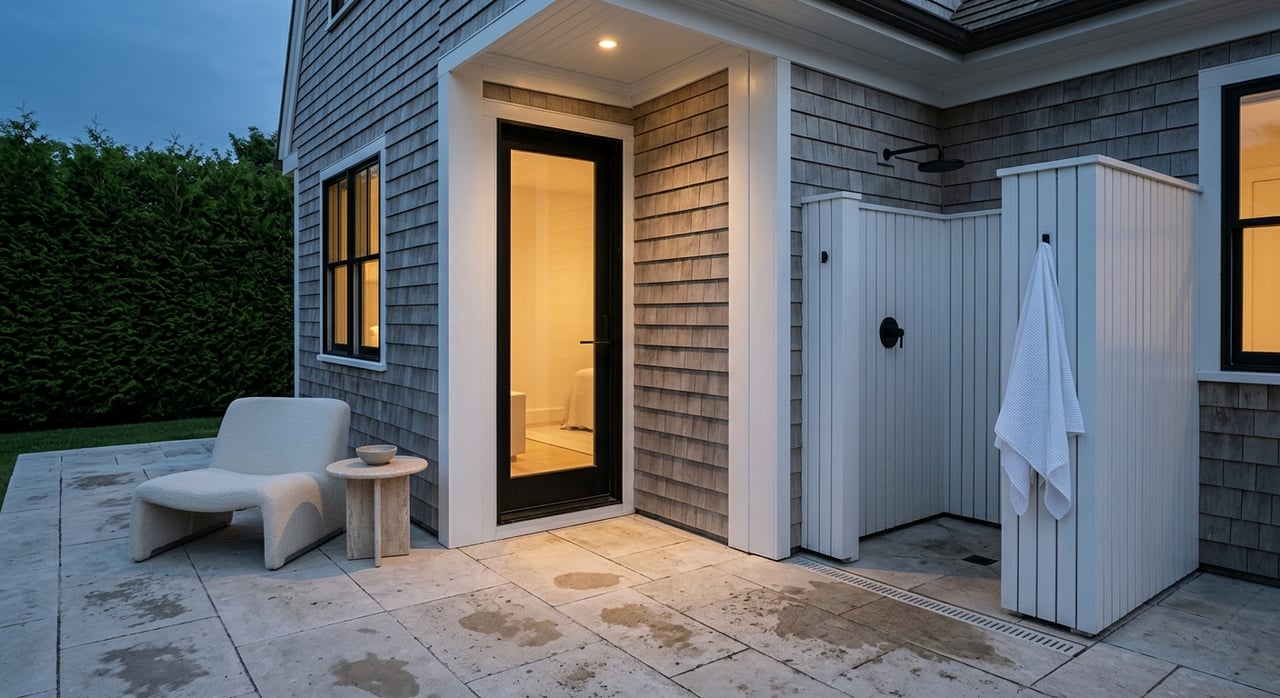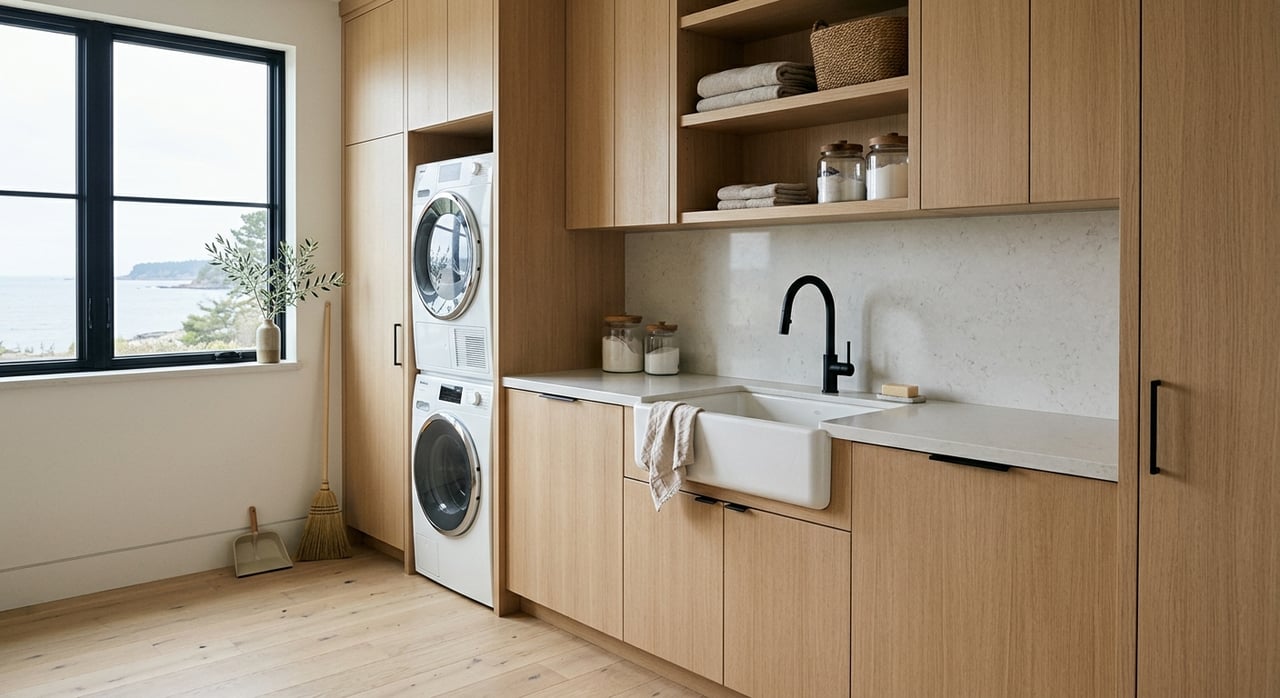
Thinking about renting out your Sag Harbor home? It can look like an easy way to offset carrying costs or generate seasonal income, but in this market, the details matter. Before you list the property, you need to understand how seasonality, local code, permits, taxes, and day-to-day logistics all shape whether a rental strategy truly works for you. Let’s dive in.
Start With Your Real Goal
Before you think about pricing, start with how you actually want to use the home. In Sag Harbor, that question matters because the market has a strong seasonal rhythm, with demand typically peaking from late spring through early fall and summer bringing more traffic and congestion.
If you still want regular personal use during prime weekends, a full-home rental may not be the best fit. The most valuable rental dates can easily overlap with the times you most want to be there yourself. That tension should be part of your planning from day one.
Consider Which Rental Model Fits
Sag Harbor’s local code draws important distinctions between rental types. The village separates transient short-term rentals, seasonal rentals, and owner-occupied room rentals, and each path comes with different rules and practical tradeoffs.
A seasonal rental generally must run at least 30 consecutive days, although the code allows two two-week rentals in a calendar year. The code also states that a dwelling rented for more than 120 days in a calendar year does not qualify as a seasonal rental. A transient short-term rental is defined as 14 days or less.
In 2024, the village also created a path for short-term rental of rooms in owner-occupied residences. That can be a different option for owners who want to preserve personal use while generating some income, but it is not the same as renting the entire property.
Match the Home to the Use
Not every Sag Harbor home is equally well-suited to every rental strategy. A house that works beautifully for private owner use may be far less practical for frequent guest turnover, shared occupancy, parking demands, or refuse handling.
That is why the first question is not just how much income the home could bring in. The better question is whether the property can realistically support the rental model you have in mind, both under local code and in daily operation.
Full-Home Seasonal Rentals
A full-home seasonal rental may appeal if you are willing to give up access during the busiest part of the year. This setup can simplify occupancy compared with constant turnover, but it still requires careful planning around lease timing, guest expectations, and property management.
If your calendar is flexible and the home is easy to maintain, this model may be more workable than trying to rotate through multiple short stays. It can also reduce some of the operational friction that comes with repeated check-ins and check-outs.
Owner-Occupied Room Rentals
An owner-occupied room rental may make sense if you want to keep using the home yourself. Still, this approach asks a lot of the layout and your comfort level. Separate access, privacy, bathroom configuration, parking, and noise control all become more important when guests are sharing space with you.
Even when a room-rental path is permitted, the home itself has to support that use gracefully. In practice, some homes simply lend themselves to this better than others.
Bed-and-Breakfast Use
If you are imagining a more hospitality-style operation, that falls into a separate category. In Sag Harbor, bed-and-breakfast use is regulated differently and requires owner occupancy, Planning Board special exception approval, off-street parking, and working smoke and carbon monoxide detectors.
The code also limits that use to no more than two bedrooms, four transient guests, and stays of no more than three nights and three days. For many owners, that makes this a much more specialized path than it may first appear.
Understand the Permit Rules Before You Advertise
One of the biggest mistakes owners can make is treating compliance as something to sort out later. In Sag Harbor, the village code says it is unlawful to rent a dwelling unit without a valid rental occupancy permit, and that permit is issued to the owner of the real property.
The code also states that no rental permit shall be granted to a transient non-owner-occupied short-term rental property. That point alone can significantly affect what type of rental plan is even possible.
What Seasonal Rental Registration Requires
For seasonal rentals, registration must be completed before the rental term begins. The application materials include the deed, tax bill, tenant information, occupancy period, refuse-service documentation, a signed lease, and a notarized inspection checklist.
This is a good reminder that rental use in Sag Harbor is not only about marketing the home well. It also involves documentation, timing, and a clear operational plan before any tenant takes possession.
Enforcement Is Not Something to Ignore
Violations can lead to civil penalties of up to $1,000 per day. The village code enforcement office is responsible for enforcing the village code and the New York State Uniform Fire Prevention and Building Code.
That means permit issues are not minor technicalities. If you are considering rental income, you should treat compliance as a core part of the investment decision.
Pay Attention to Sag Harbor’s Municipal Overlap
Sag Harbor has an unusual local structure because the incorporated village straddles Southampton and East Hampton towns. That can create confusion for owners who assume one set of rules automatically replaces another.
The research shows that East Hampton Town’s rental registry brochure says the town law does not apply to the incorporated villages of East Hampton and Sag Harbor. Southampton Town separately maintains its own rental permit process for rental properties in the town and says the application must be filed before the rental term begins.
Because of that overlap, owners should confirm with local counsel whether any town-level obligations apply in addition to the village framework. It is worth getting clarity early rather than making assumptions after a lease is already in motion.
Model Net Income, Not Just Gross Revenue
A rental can look attractive on paper if you focus only on the nightly or monthly rate. In reality, taxes and operating costs can materially reduce what you keep.
At the state level, New York requires sales tax collection on short-term rental occupancy, and booking services that facilitate the sale must register and collect or remit the tax. Suffolk County’s local sales and use tax rate increased effective March 1, 2025, bringing the countywide combined sales and use tax rate to 8¾% on taxable sales and uses.
Suffolk County Occupancy Tax Matters Too
Separate from sales tax, Suffolk County imposes a hotel or motel occupancy tax of 5.5% on lodging stays of less than 30 days. Lodging facilities must register within 10 days of their first rental and file quarterly returns.
For longer stays, Suffolk County treats 30 or more consecutive days as permanent residency for county occupancy-tax purposes. New York State treats 90 consecutive days as permanent residency for sales-tax purposes outside New York City.
Extra Fees May Also Affect the Math
Cleaning fees, host fees, pet fees, and extra-person charges may also be taxable depending on how they are structured. Once you factor in taxes, platform commissions, cleaning, insurance, and maintenance, a promising headline rate can translate into a much smaller net return.
That is why smart planning starts with a full financial model. You want to know not just what the home might earn, but what it will actually cost to operate compliantly and well.
Think Through Guest Operations
In Sag Harbor, guest operations are not separate from compliance. The village application process asks owners to acknowledge local laws on noise, vehicle parking, and refuse disposal, which shows how closely property operations and neighborhood impact are connected.
This is especially relevant in a place where summer visitor traffic can create congestion and where walking and biking are often efficient ways to get around. A home that is difficult to access, has limited parking, or creates trash-handling challenges may be far less rental-friendly than it looks in photos.
Ask These Practical Questions
Before you move forward, consider whether the property can support the basics consistently:
- Where will guests park without creating issues?
- How will refuse and recycling be handled?
- Is check-in easy and secure?
- Can the home handle turnover between stays?
- Are smoke and carbon monoxide detectors current and working?
- Does the layout allow for privacy if you plan owner-occupied rental use?
These are not small details. In a market like Sag Harbor, they directly affect both compliance and the guest experience.
Decide Before You List
Turning a Sag Harbor home into a rental can be worthwhile, but only when the strategy matches the property, the code, and your own priorities. The strongest plans begin with a clear understanding of how you want to use the home, what rental category fits, what permits and taxes apply, and whether the property can operate smoothly during the busiest part of the year.
If you are weighing whether to rent, hold, improve, or reposition a Hamptons property, it helps to look at the decision through both a market lens and a property-performance lens. For a tailored conversation about your options in Sag Harbor and the broader Hamptons market, connect with Nicole Tunick.
FAQs
What rental types are recognized in Sag Harbor?
- Sag Harbor’s code distinguishes among transient short-term rentals, seasonal rentals, and owner-occupied room rentals, with separate rules for bed-and-breakfast use.
What is considered a seasonal rental in Sag Harbor?
- A seasonal rental generally must run at least 30 consecutive days, although the code allows two two-week rentals in a calendar year, and a dwelling rented for more than 120 days in a calendar year does not qualify as a seasonal rental.
Can you rent a non-owner-occupied home short term in Sag Harbor?
- The village code states that no rental permit shall be granted to a transient non-owner-occupied short-term rental property.
Do you need a permit to rent out a home in Sag Harbor?
- Yes. The village code says it is unlawful to rent a dwelling unit without a valid rental occupancy permit issued to the property owner.
What taxes apply to short-term rentals in Suffolk County?
- Short-term rentals may be subject to New York sales tax and Suffolk County’s 5.5% hotel or motel occupancy tax on stays of less than 30 days, depending on the rental structure.
Why does parking and refuse matter for Sag Harbor rentals?
- The village application process requires owners to acknowledge local laws on noise, vehicle parking, and refuse disposal, so guest operations are part of compliance, not just convenience.