If you love where you live in Sag Harbor but your home no longer fits the way you want to live, you are not alone. Many owners reach the same crossroads: invest in the house you have, or sell and buy something better suited to your next chapter. The right answer depends on more than budget alone, and in Sag Harbor, local planning context, current market conditions, and project scope all matter. Let’s dive in.
Start With the Real Question
The decision is rarely as simple as renovate versus move. In most cases, you are weighing four things at once: location, condition, financing, and time horizon.
If your home sits in a location you truly value, staying can make a great deal of sense. But if the house requires a major overhaul, the timeline feels overwhelming, or your needs have changed in ways a renovation cannot solve cleanly, a move may be the better path.
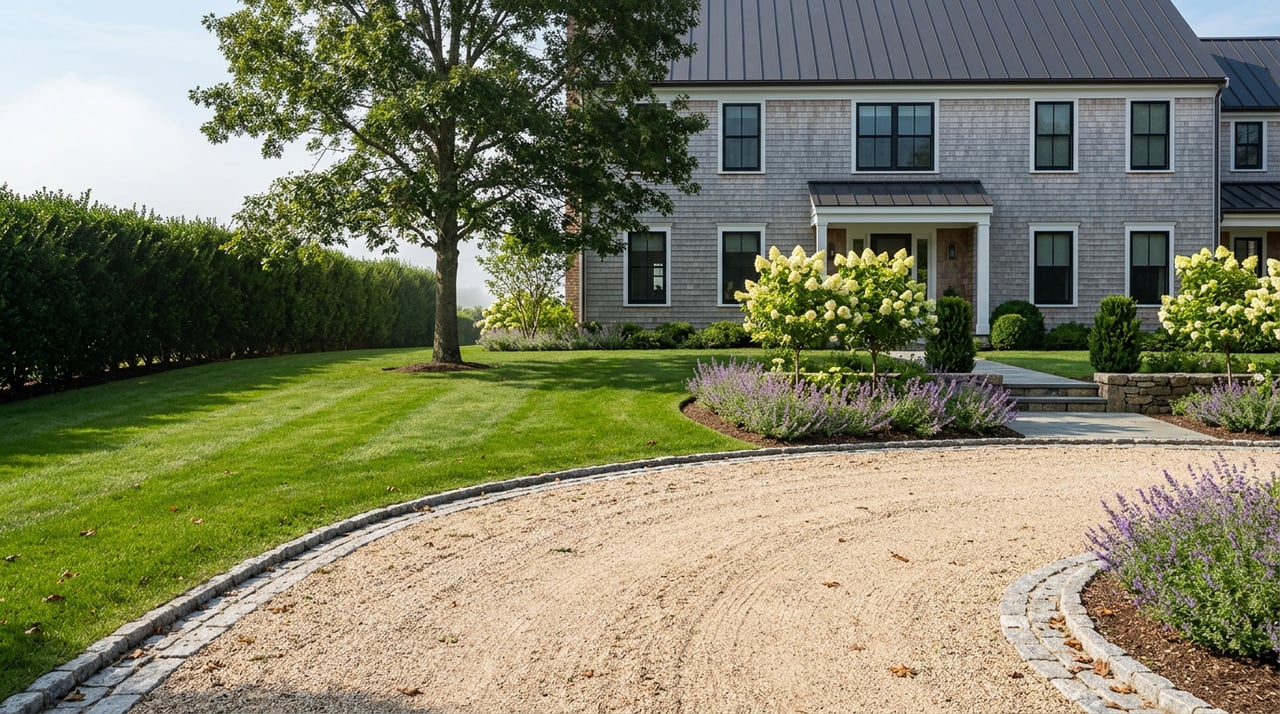
In Sag Harbor, this choice deserves extra care. The village has a preservation-sensitive setting, with a historic district context and review processes designed to protect historic and cultural landmarks, while the local waterfront planning framework guides improvement projects in ways that align with the village’s maritime character, according to the American Planning Association’s overview of Sag Harbor and the Village of Sag Harbor Local Waterfront Revitalization Program.
Why Sag Harbor Changes the Math
In a newer market, you might be able to judge renovation plans mostly on cost and style. In Sag Harbor, exterior changes, additions, and site work can face more review, especially when a property is affected by historic or waterfront considerations.
That does not mean renovation is the wrong move. It means your early planning matters more. Before you commit to a major project, it is wise to understand what is feasible, what may require additional review, and whether the value created is likely to match the cost and time involved.
Local market conditions also shift. In the Elliman Hamptons report, Sag Harbor showed a median sales price of $2.25 million in Q1 2025 and $3.175 million in Q4 2025, with inventory and months of supply also moving materially over the year. That kind of movement is a good reminder to compare your property against current local comps, not broad Hamptons averages or last year’s assumptions.
When Renovating Often Makes Sense
Renovation is usually the stronger play when you already own a property in a location you want to keep, and the work needed is focused, practical, and aligned with buyer expectations. The best projects often improve how the home lives today while also supporting resale later.
National data supports this approach. The 2025 Cost vs. Value Report from Zonda found that exterior replacement projects led resale performance, including garage door replacement, steel door replacement, manufactured stone veneer, fiber-cement siding replacement, and minor kitchen remodels.
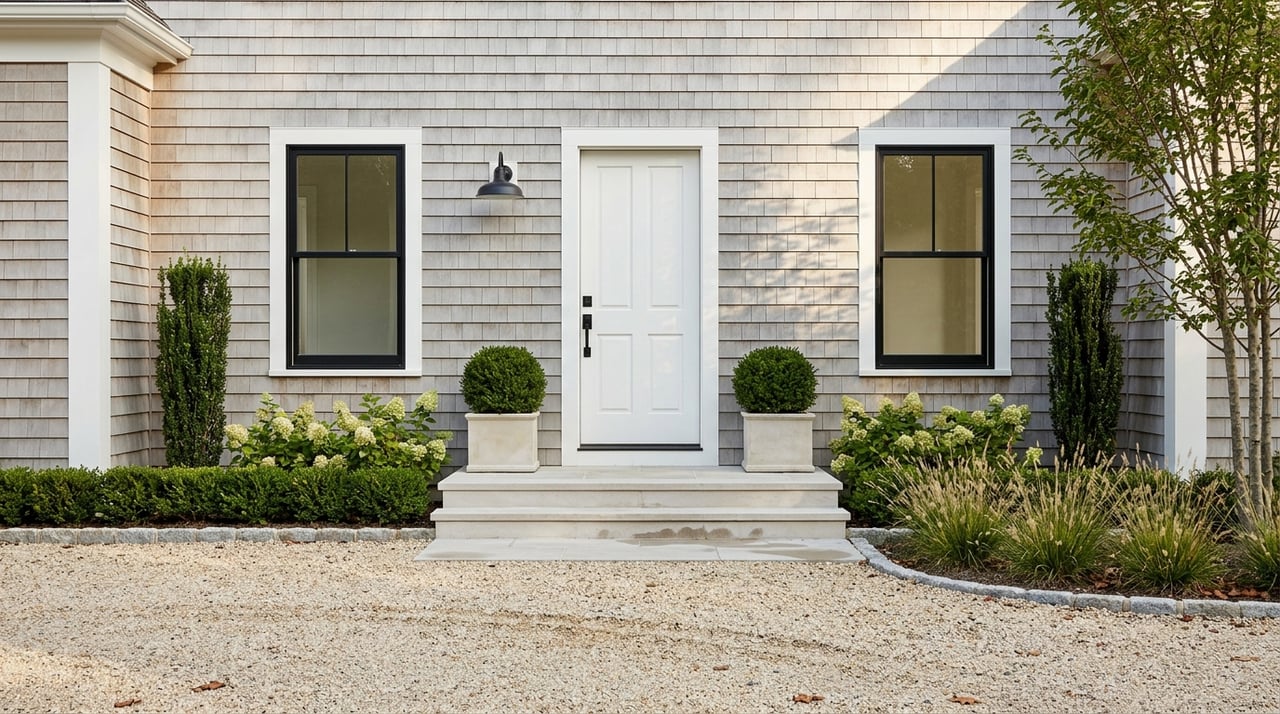
That matters in Sag Harbor because practical, visually cohesive upgrades often fit both market logic and local planning realities better than highly personalized overhauls. If you can improve first impression, condition, and livability without forcing a very specific taste onto the home, you are usually making a safer bet.
Renovations That Tend to Travel Well
If your goal is to improve value while keeping the house broadly appealing, these projects often deserve attention first:
- Exterior maintenance and curb appeal updates
- Roof replacement where needed
- Front door replacement
- Interior paint
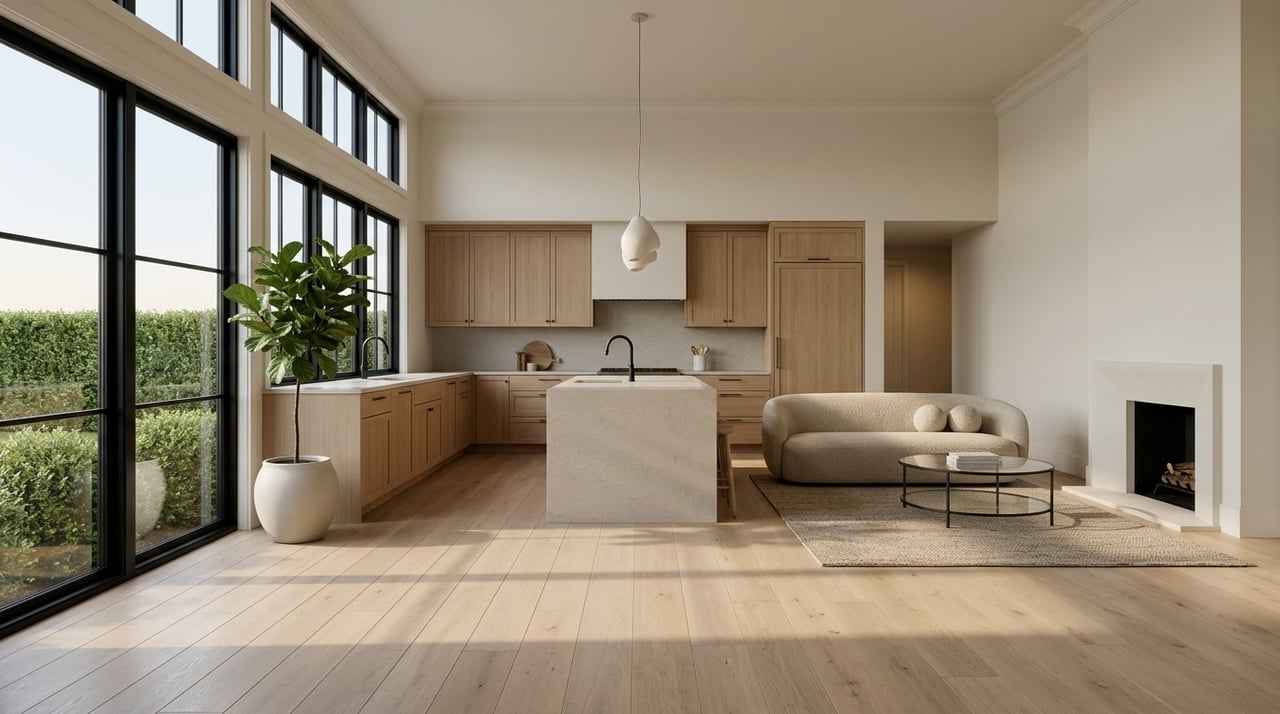
- Minor kitchen refreshes rather than full luxury over-customization
- Durability-focused improvements that make the home feel well cared for
The 2025 Remodeling Impact Report from NAR and NARI also found strong cost recovery for a new steel front door, closet renovation, and fiberglass front door. Realtors in that same report most often recommended painting the entire home, painting a single interior room, and replacing the roof before listing.
Renovations That May Be More About Lifestyle
Some projects can dramatically improve how you live, even if resale recovery is less certain. The NAR and NARI report found high joy scores for a primary bedroom suite addition, kitchen upgrade, and new roofing.
If your main goal is to stay for years and enjoy the home differently, those improvements may still be worth it. A better primary suite, more storage, or a more functional kitchen can make daily life easier. The key is being honest about whether you are renovating for your enjoyment or for future market return, because those are not always the same thing.
When Moving May Be Smarter
Sometimes the smartest investment is not in construction. It is in choosing a home that already fits your next season of life.
Moving may make more sense if your renovation wish list is large, highly subjective, structurally complex, or likely to create long periods of disruption. Bigger interior remodels often deliver more personal satisfaction than resale certainty, and Zonda’s data shows that exterior replacements generally outperform larger discretionary interior projects when it comes to recouping cost.
In Sag Harbor, the equation can get even more complicated when work involves major exterior changes, site planning, shoreline-related considerations, or anything that may trigger more review. If your renovation starts to feel like a multi-layered design, approval, and construction process, it is worth asking whether buying a better-fit property is cleaner and faster.
Signs It May Be Time to Move
A move often deserves stronger consideration when:
- Your home no longer works for your space needs
- The renovation requires major structural change or additions
- You want a very different lifestyle layout that your current house cannot easily deliver
- The scope is so custom that resale appeal may narrow
- The disruption, approvals, and timeline feel out of proportion to the result
This is especially true if another home can solve the problem more directly. In that case, you are not just buying square footage. You are buying time, simplicity, and a more immediate fit.
How Mortgage Rates Affect the Decision
Even if moving sounds appealing, today’s financing environment still matters. According to Freddie Mac’s Primary Mortgage Market Survey, the 30-year fixed mortgage rate was 6.30% on April 16, 2026, down from 6.83% a year earlier.
That improvement helps, but it is still a different borrowing environment than the ultra-low-rate years many owners remember. If you would need financing to buy your next home, compare the full carrying cost of that move against the cost of staying and renovating.
Renovation has its own capital demands, of course. The NARI report found that homeowners commonly use home equity loans or lines of credit, savings, or credit cards to fund projects. In other words, remodeling is usually not the automatic cheaper option. It is a deliberate decision about where you want to place your money and how you want to live.
A Practical Way to Decide
If you are torn, a simple framework can help you think more clearly.
Ask What You Cannot Change
Start with the fixed elements. You can change finishes, layout, and systems, but you cannot easily change location, lot characteristics, or the broader setting around your property.
If those fundamentals still serve you well, renovation becomes more compelling. If they do not, moving often becomes easier to justify.
Separate Must-Haves From Nice-to-Haves
Write down the changes you truly need versus the ones you simply want. This helps define whether you are dealing with a targeted improvement plan or a whole-house reinvention.
If the must-have list is short and solvable, staying may be the more elegant answer. If the must-have list points to a very different home, that is valuable clarity.
Compare Scope to Resale Reality
Before investing heavily, compare your plan with current neighborhood pricing and buyer expectations. Local numbers can move meaningfully within the same year, as Sag Harbor’s 2025 sales figures show, so your decision should be grounded in current market evidence.
This is where a local comp analysis becomes essential. You want to know whether your finished product would sit comfortably within the market, or whether you would be building past what buyers are likely to reward.
Price Out Time, Not Just Money
Construction cost is only part of the story. You should also account for design time, review timelines, contractor scheduling, financing, and the disruption of living through the process or carrying a second residence during work.
For some owners, the time cost is manageable. For others, that time cost is exactly why moving becomes the more attractive option.
Who Should Be in the Conversation
The most useful decisions usually come from a coordinated view, not a guess. In a market like Sag Harbor, that often means talking to the right professionals early.
A local broker can help you understand current comps and resale positioning. An architect or designer can test feasibility and scope. A contractor can help pressure-test cost and timeline. A lender or financial adviser can help compare the carry cost of moving versus renovating.
That kind of planning can prevent expensive missteps. It can also reveal opportunities you may not have considered, whether that means a smarter renovation plan or a stronger move strategy.
The Best Answer Is the One That Fits Your Next Chapter
For many Sag Harbor homeowners, the best choice is not about doing more. It is about doing what fits the property, the market, and your goals with the least friction.
If your home is in the right location and the improvements are disciplined, thoughtful, and resale-aware, renovating may be the stronger move. If the project is growing too large, too personal, or too complex for the likely return, it may be time to move on and buy more strategically.
If you want a clear-eyed view of what your home could be worth as-is, what smart improvements may support value, and whether staying or selling makes more sense in today’s Sag Harbor market, connect with Nicole Tunick for a private Hamptons consultation.
FAQs
Should Sag Harbor homeowners renovate before selling?
- It depends on the property, scope, and local comps. In many cases, focused updates like paint, roof work, and curb appeal improvements are easier to justify than highly customized remodels.
Do historic or waterfront rules affect Sag Harbor renovation plans?
- Yes. Sag Harbor’s historic and waterfront planning context can add review and complexity, especially for exterior changes, additions, and certain site improvements.
Which home projects tend to help resale the most?
- National 2025 data points to exterior-focused projects like front doors, siding-related improvements, and other condition-driven upgrades, along with select minor kitchen updates.
How should mortgage rates affect a stay-or-move decision in Sag Harbor?
- Mortgage rates affect the cost of buying your next home, so you should compare the monthly and long-term carrying cost of a move against the full cost of renovating and staying.
When is a renovation too large to justify staying in a Sag Harbor home?
- A renovation may be too large when it involves major structural change, long timelines, heavy customization, or added review complexity that makes buying a better-fit property the cleaner solution.