If you own a luxury estate in Southampton, pricing is not just about picking a strong number. It is about understanding how buyers actually behave in a market where village location, waterfront setting, privacy, and turn-key condition can shift value in a meaningful way. When the stakes are high, a thoughtful pricing strategy can protect momentum, reduce unnecessary negotiation, and help your home stand out for the right reasons. Let’s dive in.
Why Southampton Pricing Requires Precision
Southampton is part of the Town of Southampton on the South Fork of Long Island, and it functions as a seasonal resort area shaped by tourism and second-home demand. That matters because Southampton is not one single market. Village locations, south-of-the-highway properties, waterfront estates, and inland sections often move on different timelines and attract different buyers.
That local nuance is especially important in today’s Hamptons market. In Q1 2026, the Hamptons median sales price reached $2,412,500 and the average sales price reached $4,257,787, while sales remained below the first-quarter decade average and inventory stayed constrained. At the same time, the share of sales above $5 million rose to 21.2%, the highest level on record.
Those numbers tell you two things at once. Demand for high-end property is still real, but buyers are also selective. In luxury segments, strategic pricing matters because even a strong market does not reward overreach.
What Current Southampton Data Suggests
A useful benchmark comes from Q4 2025, when Southampton posted a median sale price of $2,650,000, 83 sales, and 7.2 months of supply. Across the broader Hamptons market, average sale price was $3,762,062, days on market were 127, and the average listing discount was 9.4%.
That listing discount is one of the clearest signals for sellers. It suggests that buyers are still negotiating, even in an elevated market. If your initial pricing stretches too far beyond what your micro-market supports, you may give up time, leverage, and some of the excitement that fuels a strong launch.
For luxury estates, that risk gets sharper as price rises. In the top 10% of Hamptons sales in Q4 2025, the median price was $11.4 million, average days on market climbed to 154, listing discount widened to 11.0%, and months of supply expanded to 16.4.
Price Band Matters More Than Many Sellers Expect
One of the most important pricing realities in Southampton is that the buyer pool changes as you cross major thresholds. The market above $5 million is not the same as the broader market, and the luxury entry point for the top 10% of Hamptons sales was about $7.375 million in Q4 2025.
That does not mean you should always price below a threshold. It means you should understand what happens when you move into a narrower comp set. A home priced just under a key break may stay visible to a larger audience, while a home priced above it may compete for a smaller pool of buyers who are taking more time and expecting stronger differentiation.
This is where strategy becomes more important than optimism. The goal is not to chase the highest theoretical number. The goal is to position your home where serious buyers will engage quickly and confidently.
Start With the Right Micro-Market
In Southampton, the broad market headline is only the starting point. The most reliable pricing strategy begins with the narrowest relevant micro-market for your estate.
That usually means looking closely at factors such as:
- Southampton Village versus surrounding estate areas
- South-of-the-highway versus inland locations
- Waterfront or water-view setting versus non-waterfront parcels
- Privacy, acreage, and site orientation
- Distance to village amenities or ocean beaches
- New construction or fully updated condition versus renovation needs
This matters because in Southampton, setting is often part of the value proposition itself. A village-proximate property with strong privacy may compete differently than a similarly sized inland home. A waterfront estate or a turn-key new build can justify a materially different ask than a home with similar square footage but fewer lifestyle advantages.
Condition Can Change Your Pricing Power
Luxury buyers often place a premium on certainty. Research cited in the report shows that 60% of respondents preferred move-in ready homes, while only 8% preferred a structural renovation. That preference is especially relevant in a market where many buyers want to enjoy the property soon after closing rather than begin a major project.
Presentation also matters. According to the staging data summarized in the research report, 81% of buyers’ agents said staging made it easier for buyers to visualize a property, while 48% of sellers’ agents said staging reduced time on market.
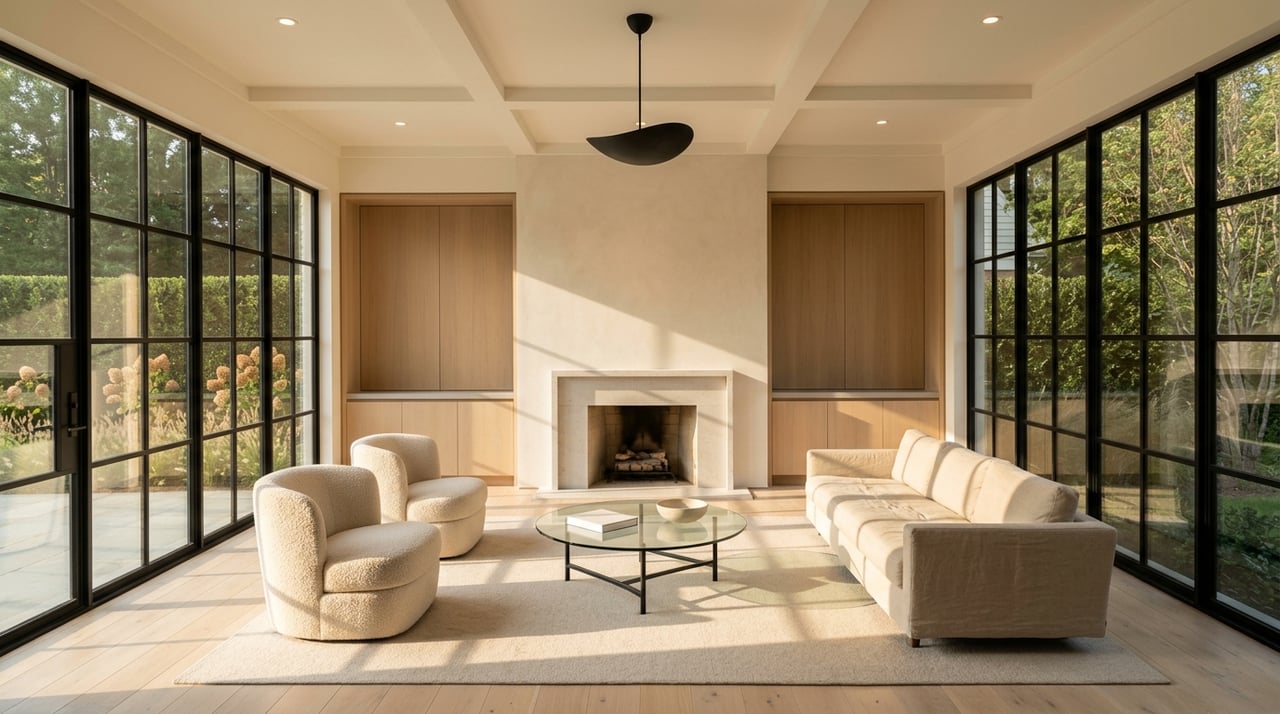
For Southampton estates, that means condition, design clarity, and readiness are not minor details. They directly affect where your home belongs in the pricing conversation. If your property is polished, well-styled, and easy to understand, you may be able to support a stronger ask than a similar home that feels dated or unfinished.
Architecture and Site Quality Shape Value
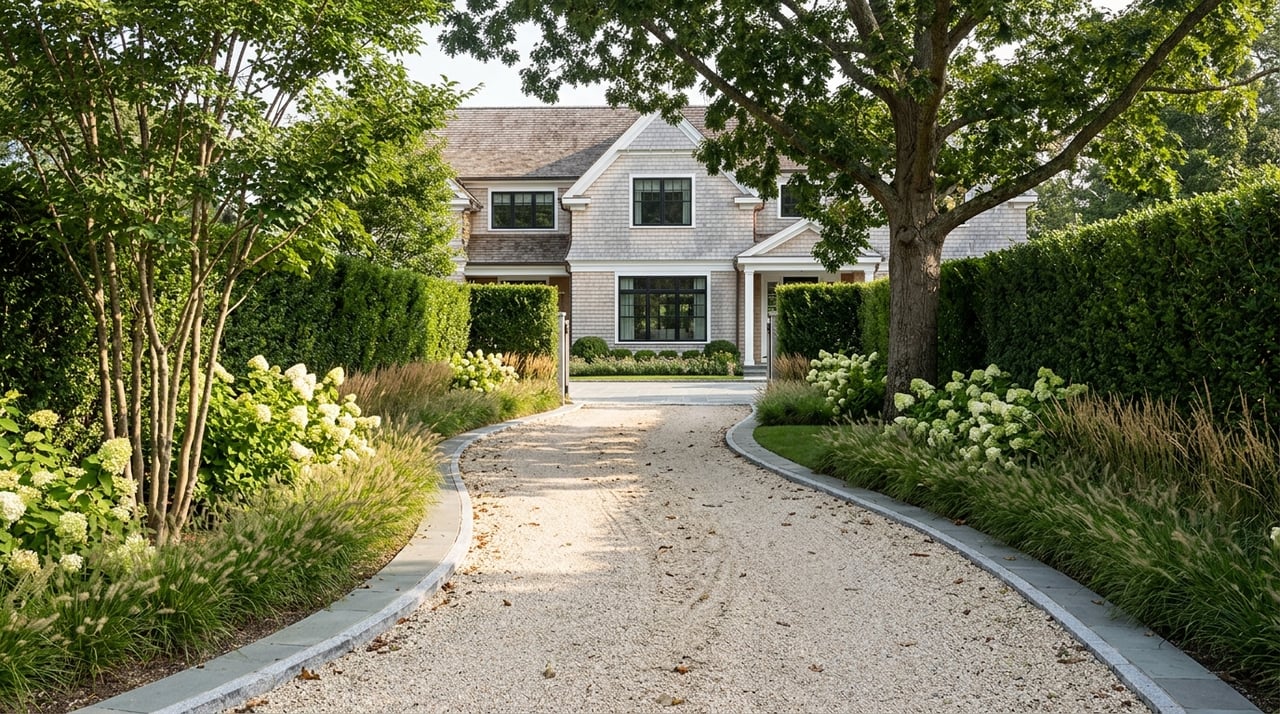
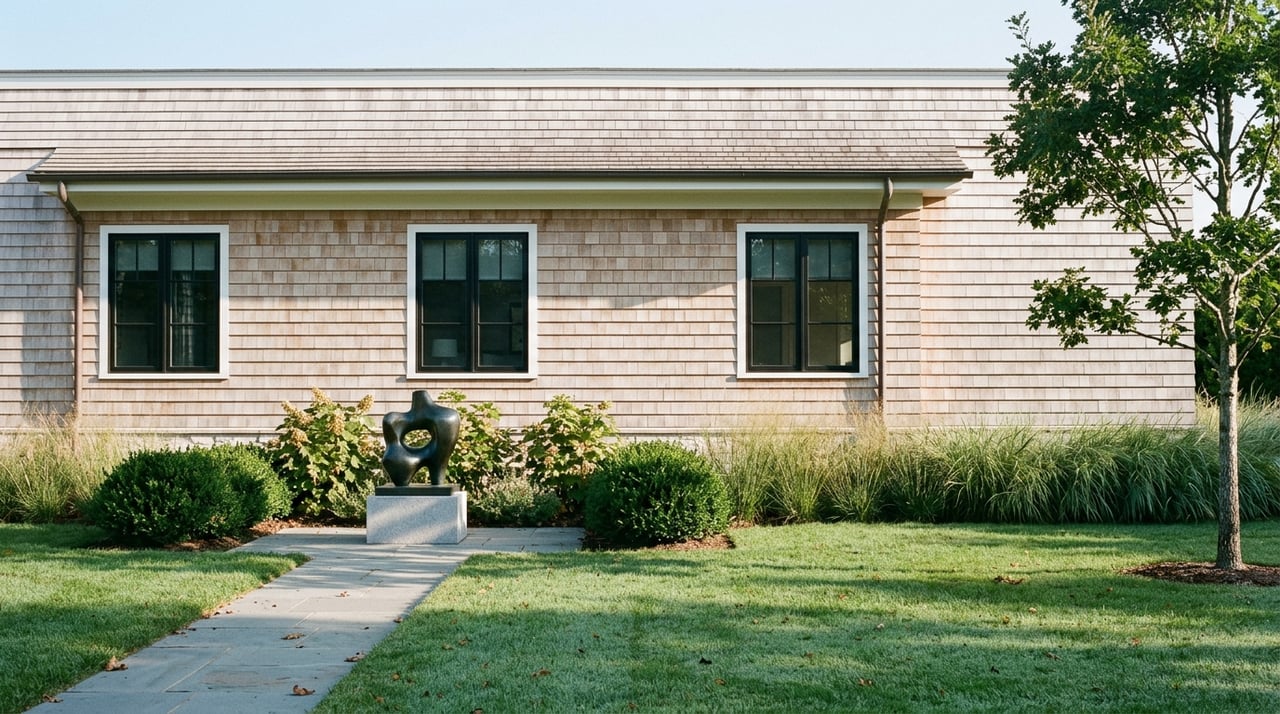
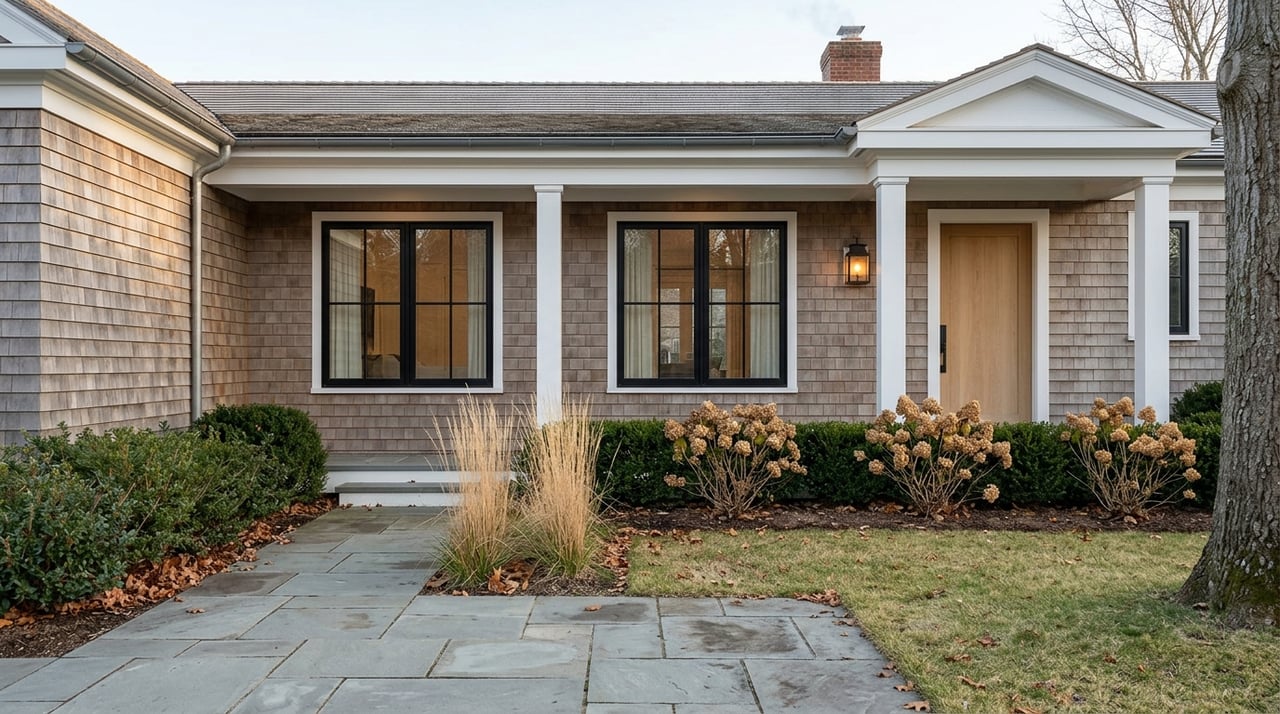
In the luxury segment, buyers are not just comparing bedroom count or lot size. They are comparing the full package, including architecture, layout, privacy, landscape quality, and how the property feels in person.
The market examples in the research report help illustrate this point. Southampton listings ranged from a new-construction home near the village at $4.695 million to a village home at $6.5 million, a south-of-the-highway waterfront estate at $9 million, and a new custom home near the village and ocean beaches at $16.5 million. These are examples, not neutral benchmarks, but they show how setting and product type can pull pricing in very different directions.
In practical terms, a distinctive estate often competes within a custom lane. If your home offers premium architecture, a rare site, or immediate move-in appeal, the pricing strategy should reflect those strengths. If it does not, the strongest result may come from pricing into the most active and liquid band instead of testing the upper edge of the market.
Why Overpricing Can Cost More
Many sellers worry most about underpricing, but in luxury real estate, overpricing can be the more expensive mistake. Time on market can change buyer perception, especially in a segment where inventory is watched closely and buyers are highly informed.
The Q4 2025 numbers are a reminder of that risk. The broader Hamptons market showed 127 days on market, while the luxury tier moved more slowly at 154 days, with a wider discount from original list price. Even in a market supported by high-end demand, buyers still push back when a property launches above its most logical value range.
A stale listing can also weaken your negotiating position. Instead of creating urgency, it can invite questions about whether the home was misread from the start.
What Strategic Pricing Looks Like
A strategic pricing plan for a Southampton luxury estate usually follows a disciplined framework rather than a simple average of recent sales. It should account for timing, competition, buyer segmentation, and the property’s readiness.
Here is what that process often includes:
Define the real comp set
Look beyond Southampton as a whole and identify the most comparable properties by location, setting, condition, and buyer appeal. The goal is to compare your estate to the homes a luxury buyer would actually consider alongside it.
Identify price thresholds
Review where the active buyer pool may narrow. Major thresholds, especially above $5 million and around the top-tier entry point near $7.375 million, can change how many buyers see the home as relevant.
Evaluate marketability, not just features
Ask whether the property feels move-in ready, whether the architecture is distinctive, and whether the site supports a premium narrative. These factors can affect both list price and how the home should be presented.
Price for momentum
In a market with constrained inventory and strong interest in well-priced homes, early momentum matters. Pricing should aim to attract qualified attention quickly, not simply leave room for a future reduction.
Plan the story with the number
In Southampton, pricing and presentation work together. A premium ask is easier to defend when the photography, design narrative, staging, and property positioning all reinforce the home’s place in the market.
Why This Matters for Southampton Sellers Now
Corcoran’s first-quarter 2026 reporting noted that Southampton Village posted the largest annual sales increase on the South Fork, with sales up 28% to 23 reported transactions. The same report said elevated high-end activity helped push the South Fork median price up more than 20% while inventory remained constrained and well-priced homes were attracting strong interest.
That is encouraging for sellers, but it also sharpens the message. Buyers are active, yet they are not buying every luxury listing at any price. They are rewarding homes that feel well-positioned, well-prepared, and correctly priced for their exact slice of the market.
If you are preparing to sell in Southampton, the best pricing strategy is usually not the broadest or boldest one. It is the one rooted in your home’s true micro-market, your likely buyer pool, and the story your property can credibly support.
When you are ready to position a Southampton estate with precision, presentation, and discretion, Nicole Tunick can help you shape a pricing strategy that reflects both the market and the property’s full potential.
FAQs
How should you price a luxury estate in Southampton?
- Start with the narrowest relevant micro-market, such as village, waterfront, south-of-the-highway, or inland estate location, then weigh condition, architecture, privacy, and likely buyer demand within that specific segment.
Why do price thresholds matter in the Southampton luxury market?
- Major thresholds can shift your home into a smaller buyer pool, especially above $5 million and around the top-tier entry level near $7.375 million, where supply is higher and marketing times are longer.
Does overpricing a Southampton estate hurt the sale?
- It can. Q4 2025 Hamptons data showed a 9.4% listing discount overall and an 11.0% discount in the luxury tier, which suggests that ambitious pricing can cost time and negotiating leverage.
Do turn-key homes have an advantage in Southampton?
- In many cases, yes. The research report indicates that buyers often prefer move-in ready homes, so polished condition and clear presentation can strengthen pricing power and improve buyer response.
Is Southampton one consistent luxury market?
- No. The Town of Southampton includes multiple incorporated villages and a range of estate settings, so pricing can vary significantly based on location, site quality, and proximity to village amenities or the water.