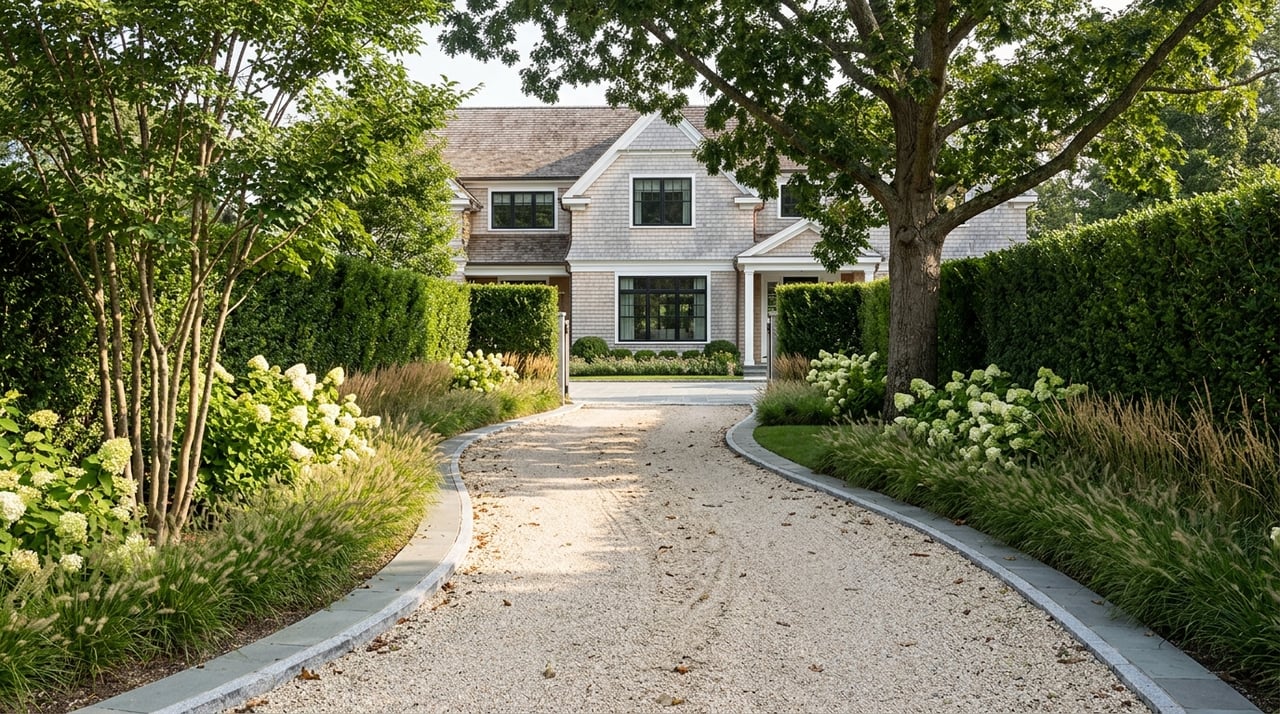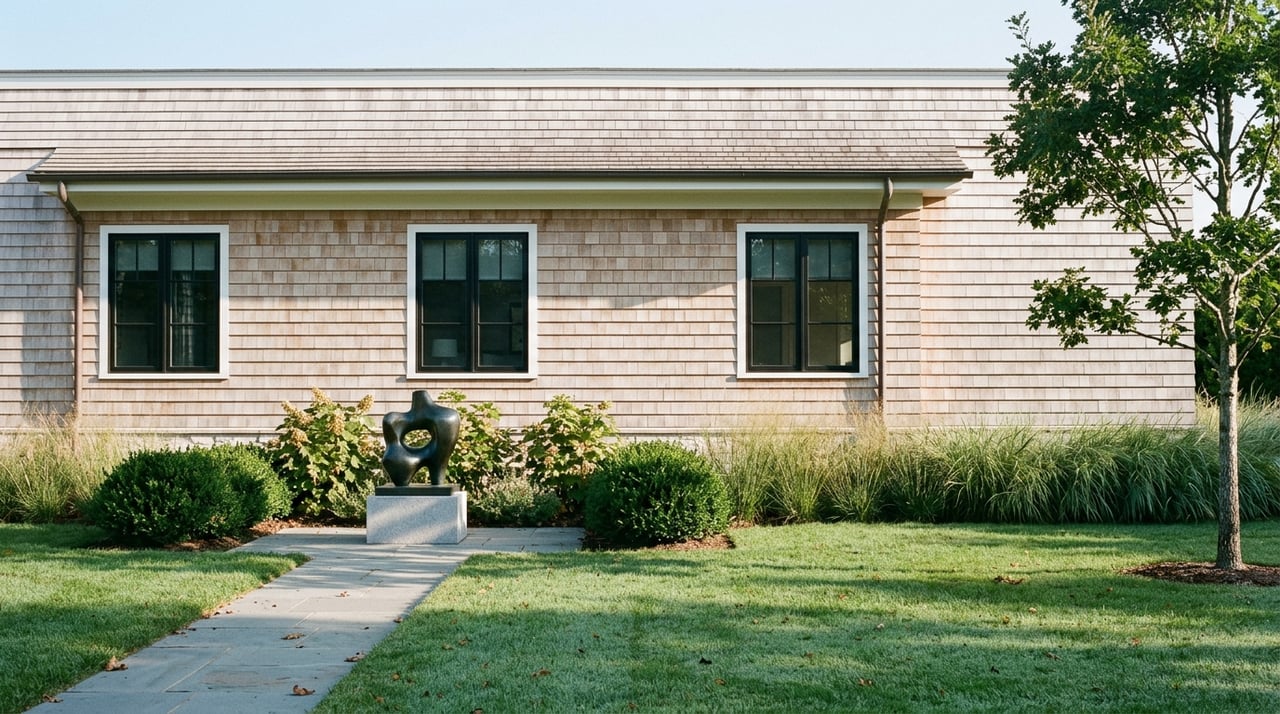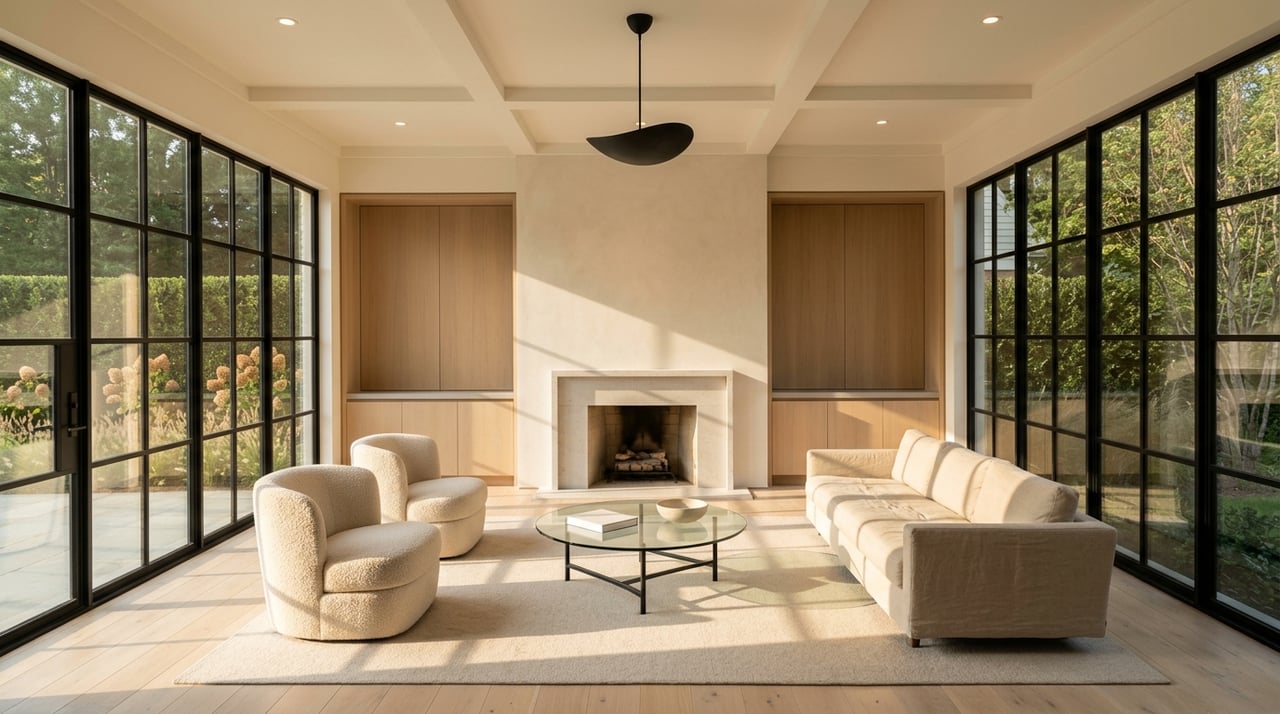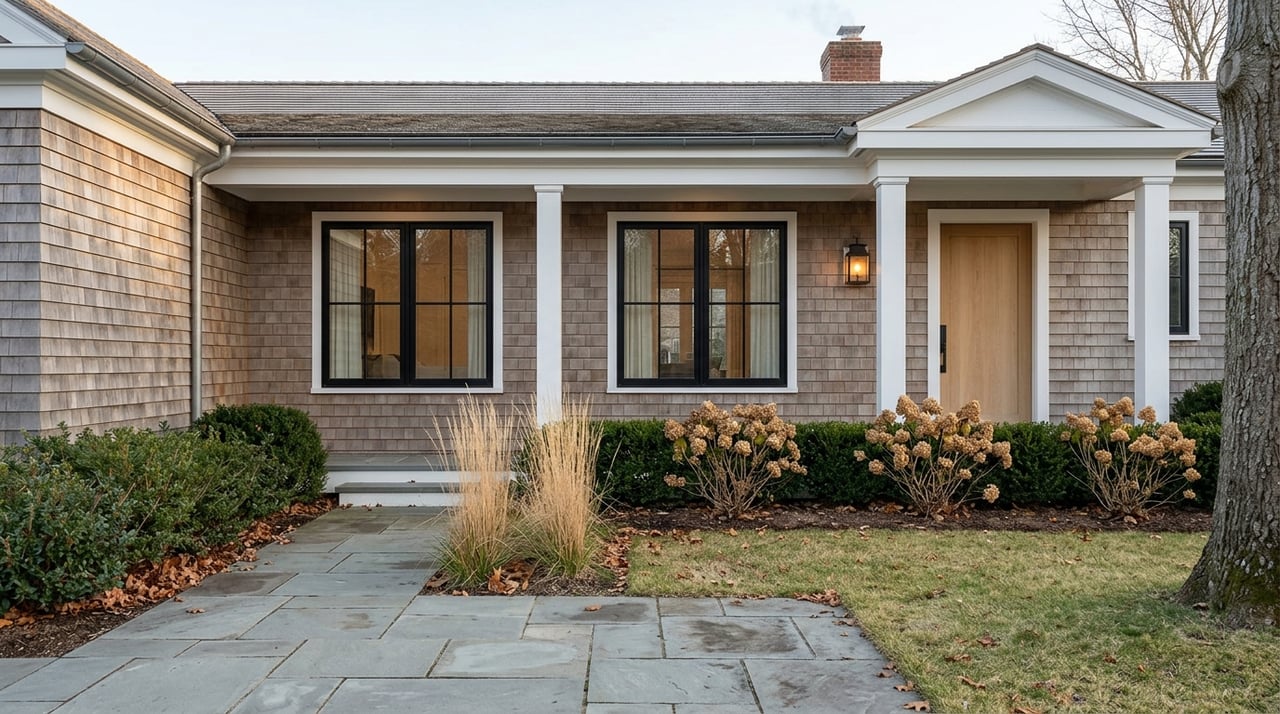
If you are deciding between a newly built home and a historic property in Sag Harbor, the choice is about more than style alone. In this village, the age of a house often shapes how you can update it, how it fits into the streetscape, and what ownership may feel like day to day. This guide will help you compare both paths so you can move forward with clearer expectations and a sharper eye for fit. Let’s dive in.
Why Sag Harbor Makes This Choice Unique
Sag Harbor is not a market where old and new sit in totally separate worlds. The village is small, covers about 2.3 square miles, and includes housing that ranges from mid-1700s structures to contemporary homes. Its history as a former whaling port still influences the look and feel of the village, especially near Main Street and the older residential blocks.
That local history matters because Sag Harbor was already substantially built out long ago. According to the village survey, little significant new construction happened after World War II, and preservation became a defining local force. In practical terms, that means many buying decisions here are really about context, approvals, and how a property fits within an established village fabric.
Historic Homes in Sag Harbor
What defines the historic core
Sag Harbor’s historic district was first designated in 1973 and expanded in 1994. It includes the central business district and nearby residential neighborhoods, with 882 contributing resources identified in the expanded listing. These areas are known for wood-framed homes in Federal, Greek Revival, Victorian, and Queen Anne styles.
The streetscape is a major part of the appeal. Homes are often closely built on small, irregular lots, which creates the compact, layered character many buyers picture when they think of classic Sag Harbor. If you are drawn to architectural depth and a strong sense of place, this setting can be hard to replicate.
Why buyers love historic homes
Historic homes often appeal to buyers who want more than a clean layout and modern finishes. They offer original materials, period details, and a direct connection to the village’s earlier eras. In Sag Harbor, that connection is not abstract. It is visible in the streets, lot patterns, and building forms that still shape the village today.
For design-minded buyers, these homes can feel deeply personal. They often carry a sense of craftsmanship and individuality that newer construction may try to echo but cannot fully duplicate. That can be a major part of the value.
What ownership may require
In Sag Harbor, owning a historic home usually comes with a more structured review process for exterior work. Under village code, exterior alteration, restoration, construction, reconstruction, demolition, moving, or material change visible from an adjacent street or property requires a certificate of appropriateness if the property is a landmark or located within the historic district.
Ordinary maintenance is allowed only when it does not change the design, material, color, or outward appearance. The village can also require repairs if neglect causes disrepair that affects district character. So while these homes can absolutely be improved, the process is more regulated than many buyers expect.
Can you renovate a historic home?
Yes, but the path is more procedural. The village board may require documentation, and demolition or removal can face stricter review. The local process also follows the Secretary of the Interior’s Standards for Rehabilitation and related guidelines when applicable under village code.
One point that often causes confusion is the difference between National Register status and local control. National Register listing by itself does not automatically restrict a private owner’s changes, but Sag Harbor’s local landmark and historic district rules can. For buyers, local designation is the key issue to understand before making plans.
New Construction in Sag Harbor
What “new” usually means here
In Sag Harbor, new construction rarely means large-scale subdivision growth. Because the village was already largely built out, new homes are more often replacement houses on existing lots or infill projects shaped by local rules. That makes new construction here feel more site-specific and contextual than in areas with broad undeveloped land.
This is important if you are imagining a blank-canvas building experience. In Sag Harbor, even a brand-new home is usually part of a tight regulatory and visual framework. The result can still be beautiful, but freedom is not unlimited.
Where newer homes are more common
Newer housing patterns are more visible outside the tight historic core. The village survey points to areas south, east, and west of the historic district as places where postwar development and later buildings appear. One of the clearest contrast areas is the HBBC section in the eastern part of the village.
The HBBC area differs from the historic district in both layout and feel. Village materials describe it as less densely packed, with freestanding mid-century residences on larger suburban-style house lots in hilly terrain. For buyers who want a more contemporary setting, this can offer a different experience from the compact blocks near the center of the village.
Why buyers choose new construction
New construction often appeals to buyers who prioritize newer systems, more predictable upkeep, and a layout designed for current living patterns. You may also have fewer preservation-related constraints if the property sits outside the historic district. For some buyers, that creates a clearer path for enjoying the home with fewer surprises.
That said, “fewer constraints” does not mean no constraints. In Sag Harbor, zoning, overlay districts, dimensional standards, and site-specific approvals still shape what can be built and how a property can evolve over time.
Local Rules That Shape Both Options
Historic district review
If a property is within the historic district or is locally designated, exterior work visible from a street or adjacent property typically needs review. That is one of the biggest distinctions between buying historic and buying outside the district. Before you fall in love with a facade or plan a redesign, it is important to confirm what approvals may be required.
Waterfront overlay standards
If a property sits in the Waterfront Overlay District, separate local controls apply. According to village code, these standards are intended to prevent over-development, preserve waterfront views, maintain appropriate scale, and improve the pedestrian environment.
For waterfront lots in that district, the code generally limits buildings to 25 feet and two stories, requires a minimum 30-foot waterfront setback, requires visual access yards, and calls for screening of mechanical equipment. Buildings in a flood zone must also be floodproofed. If your search includes waterfront property, these rules can matter just as much as the age of the home.
Size limits and district controls
Sag Harbor also uses gross floor area formulas and district-specific limits in certain areas. In the R-20 and OD districts, one-family detached dwellings are subject to a gross floor area formula tied to lot size, with a 7,000-square-foot ceiling. In the HBBC Overlay District, the maximum gross floor area is 4,000 square feet regardless of lot size, and no more than three accessory buildings or structures are allowed.
These controls help explain why two properties with similar lot sizes can have very different potential. For buyers comparing redevelopment opportunities, the district map can be just as important as the house itself.
How to Decide Which Is Right for You
Choose historic if character leads
A historic home may be the stronger fit if you care most about provenance, period architecture, and being part of Sag Harbor’s established village fabric. The appeal is not just inside the home. It includes the street, the setbacks, the lot pattern, and the visual continuity around you.
This route often works well for buyers who appreciate architectural stewardship and are comfortable with a more thoughtful approval process. If preserving character matters to you, the tradeoff may feel worthwhile.
Choose new if flexibility leads
A newer home may make more sense if you want current systems, a more contemporary floor plan, and a simpler ownership experience. In many cases, looking outside the historic core can offer more flexibility and a more modern neighborhood pattern.
That does not remove the need for due diligence. It simply shifts the focus from preservation review to zoning, overlay rules, and dimensional limits. For many buyers, that is still the cleaner path.
Start with the property’s location
In Sag Harbor, the first question is often not “How old is the home?” but “Where does it sit?” A property’s location within the historic district, Waterfront Overlay District, HBBC Overlay District, or another regulated area can shape your options more than the year it was built.
That is why a smart comparison starts with the map, not just the listing photos. Once you understand the governing rules, the decision between new construction and historic ownership becomes much clearer.
If you are weighing a historic village home against a newer Sag Harbor property, the right choice depends on how you want to live, what kind of design process you want, and how much flexibility you may need in the future. A well-informed search can save time, sharpen your priorities, and help you buy with confidence in a market where context matters. For tailored guidance on Sag Harbor homes, renovations, and development potential, connect with Nicole Tunick.
FAQs
Can a historic Sag Harbor house be remodeled?
- Yes. Exterior changes visible from a street or adjacent property usually require a certificate of appropriateness if the home is a landmark or within the historic district.
Does National Register status limit changes to a Sag Harbor home?
- No. National Register listing alone does not automatically restrict a private owner’s renovation or demolition decisions, though local Sag Harbor rules may still apply.
Where are newer homes more common in Sag Harbor?
- Newer and later-era housing patterns are more common outside the historic core, including areas south, east, and west of the district and in the eastern HBBC area.
Are Sag Harbor lots generally small?
- Yes. The village survey describes many homes on relatively small parcels, often less than a half-acre, which is one reason replacement and infill projects are so context-sensitive.
What matters most when comparing new and historic homes in Sag Harbor?
- The key factor is often the property’s location within the village and whether it falls inside the historic district, waterfront overlay, or another code-controlled area that affects future changes.